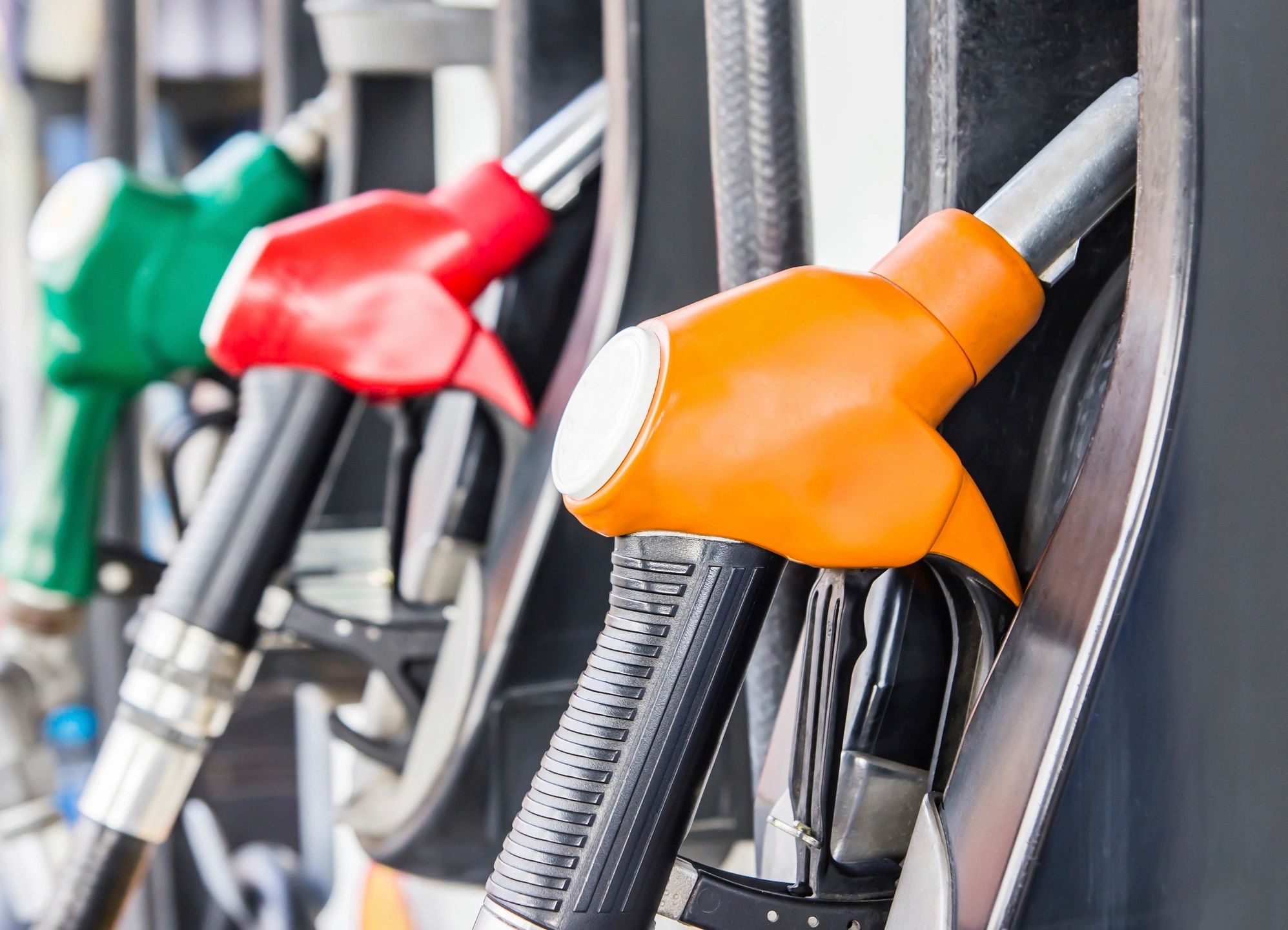
When you pull up to a fuel station, you usually see two main options: gasoline and diesel. But what’s the real difference between them and why does it matter?
In this guide, we’ll break down the key distinctions in fuel composition, engine performance, cost, efficiency, and emissions, so you can better understand how they power different vehicles.
1. Fuel Composition
- Gasoline is a lighter, more refined fuel derived from crude oil. It evaporates more easily and is designed for spark-ignition engines.
- Diesel is denser, oilier, and contains more energy per gallon. It’s used in compression-ignition engines that don’t require spark plugs.
Quick fact: Diesel contains about 10–15% more energy per gallon than gasoline.
2. How the Engines Work
| Feature | Gasoline Engine | Diesel Engine |
|---|---|---|
| Ignition Type | Spark ignition (with spark plug) | Compression ignition (heat only) |
| RPM (Speed) | High revving | Lower revving, more torque |
| Durability | Shorter engine lifespan | Longer engine lifespan |
| Common Use | Cars, motorcycles | Trucks, buses, tractors, generators |
- Gasoline engines are typically quieter and smoother.
- Diesel engines are louder but stronger, ideal for hauling and heavy-duty use.
3. Cost at the Pump
- Diesel often costs more per gallon than gasoline due to:
- Higher refining costs
- Environmental taxes
- Seasonal demand from freight and agriculture
However, diesel’s greater fuel efficiency means fewer fill-ups, especially for long-distance drivers.
4. Fuel Efficiency
| Vehicle Type | Typical MPG (Gasoline) | Typical MPG (Diesel) |
|---|---|---|
| Compact car | 30–35 MPG | N/A (rarely diesel) |
| Pickup truck | 15–20 MPG | 20–25 MPG |
| Cargo van (loaded) | 10–15 MPG | 15–20 MPG |
Diesel engines are more efficient at converting fuel into power, making them ideal for:
- Long highway drives
- Towing and hauling
- Commercial use
5. Emissions & Environmental Impact
- Gasoline emits more carbon monoxide and volatile hydrocarbons.
- Diesel emits more nitrogen oxides (NOx) and particulate matter, which are tougher on air quality.
Modern diesel engines use DEF (Diesel Exhaust Fluid) and particulate filters to reduce emissions and comply with strict environmental standards.
6. Which One Is Right for You?
| You should use… | If you… |
|---|---|
| Gasoline | Drive a standard car or SUV and want a quieter ride |
| Diesel | Tow heavy loads, drive long distances, or own a truck or van |
Summary Table
| Category | Gasoline | Diesel |
|---|---|---|
| Energy per gallon | Lower (~114,000 BTU) | Higher (~129,500 BTU) |
| Fuel economy | Lower | Higher |
| Price per gallon | Lower | Higher |
| Engine type | Spark ignition | Compression ignition |
| Emissions | Cleaner, more CO | Dirtier, more NOx/soot |
| Best for | Personal cars, short trips | Trucks, towing, long haul |
Conclusion
While diesel might seem more expensive at first glance, its fuel efficiency and durability often make it the smarter choice for high-mileage or heavy-use drivers. For everyday personal use, gasoline remains more practical and affordable.