Buying your first used car can feel overwhelming, but with the right checklist and a sharp eye, you can avoid lemons and walk away with a reliable vehicle. Here’s a step-by-step guide on what to look for, how to check it, and why it matters.
Before you even go see the car
- Check the VIN and history
Ask the seller for the VIN (Vehicle Identification Number).
Use sites like Carfax or AutoCheck to check:
- Past accidents
- Ownership history
- Service records
- Title status (avoid salvage or flood titles)
Red flag: inconsistent mileage, frequent ownership changes, or major accidents.
- Look up the fair market price
Visit Kelley Blue Book or Edmunds.
This tells you whether the price is fair based on the vehicle’s year, mileage, condition, and your location.
At the car: exterior check
- Body and paint
Walk around the car slowly.
Look for:
- Mismatched paint (may signal crash repair)
- Rust spots or bubbling
- Uneven panel gaps (doors, hood, trunk)
Run your hand along the surface to feel for rough patches or filler under paint.
- Tires
Check tread depth and wear pattern.
Use a penny: insert it into the tread with Lincoln’s head upside down. If you see the top of his head, the tires are worn.
Uneven wear may indicate suspension issues or poor alignment. - Glass and lights
Look for cracks, chips, or fogging in the headlights or windshield.
Replacing these can be costly.
Under the hood
- Engine condition
Open the hood and inspect for:
- Leaks (oil or coolant)
- Corrosion
- Cracked or brittle belts and hoses
Check the oil dipstick. The oil should be light brown and at proper level.
Look in the coolant reservoir (only when the engine is cold). Coolant should be green, pink, or orange. Avoid murky or rusty coolant.
- Battery
Check for corrosion on the terminals.
Ask when the battery was last replaced. Car batteries typically last 3 to 5 years.
Interior check
- Dashboard warning lights
Turn the key to ON without starting the car. All warning lights should briefly light up, then turn off once the engine starts.
If the check engine light, ABS, or airbag light stays on, that’s a red flag. - Electronics
Test everything:
- A/C and heater
- Windows and door locks
- Interior lights and dash lights
- Radio, Bluetooth, and infotainment
Repairs for electrical issues can be complicated and expensive.
- Seats and interior condition
Look for rips, stains, or strong odors.
A musty or moldy smell could indicate water damage or leaks.
Test drive
- Starting the car
The engine should start quickly and idle smoothly.
Listen for rattling, ticking, or excessive exhaust smoke. - Driving
Drive the car in different conditions:
- Residential streets
- Highway speeds
- Bumpy or uneven roads
Check for: - Smooth acceleration and braking
- Steering that tracks straight
- Quiet suspension and solid handling
- Smooth gear changes (automatic or manual)
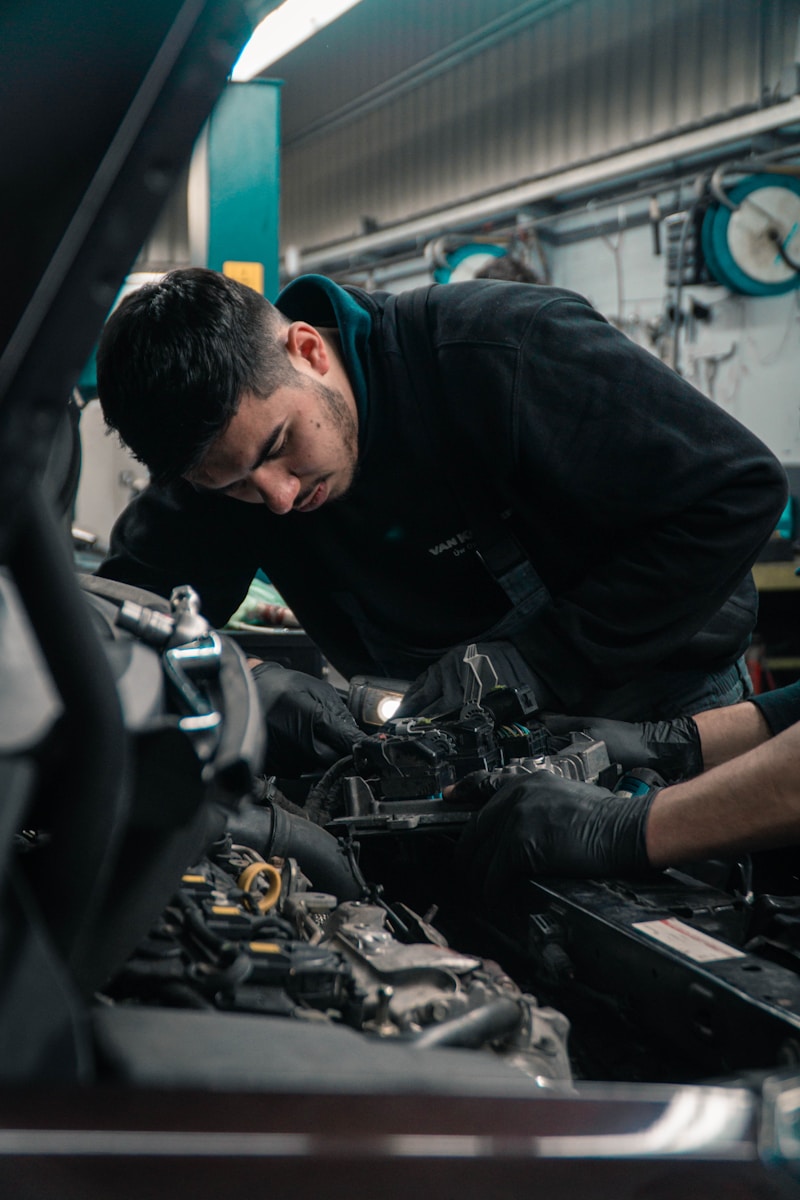
Final step: mechanic inspection
Cost is around 100 to 150 dollars.
Even if everything seems fine, a professional inspection can uncover hidden issues.
If the seller refuses a mechanic check, walk away.
Paperwork you need before buying
- Vehicle title (must match seller’s ID and VIN)
- Bill of sale
- Service records if available
- Valid emissions or safety inspection (depending on your state)
Summary checklist
| Checkpoint | What to look for | Why it matters |
|---|---|---|
| VIN and history | Accidents, ownership, title | Avoid hidden damage or fraud |
| Paint and bodywork | Rust, filler, mismatched panels | Reveals past damage or neglect |
| Tires | Tread depth, wear patterns | Indicates alignment or suspension |
| Engine | Leaks, fluid condition | Engine health and maintenance history |
| Interior | Odors, electronics | Comfort and hidden water damage |
| Test drive | Ride quality, sounds, shifting | Reveals major mechanical problems |
| Mechanic check | Independent inspection | Final reassurance before buying |
Trust your instincts. If anything feels rushed, suspicious, or off, it’s better to walk away.