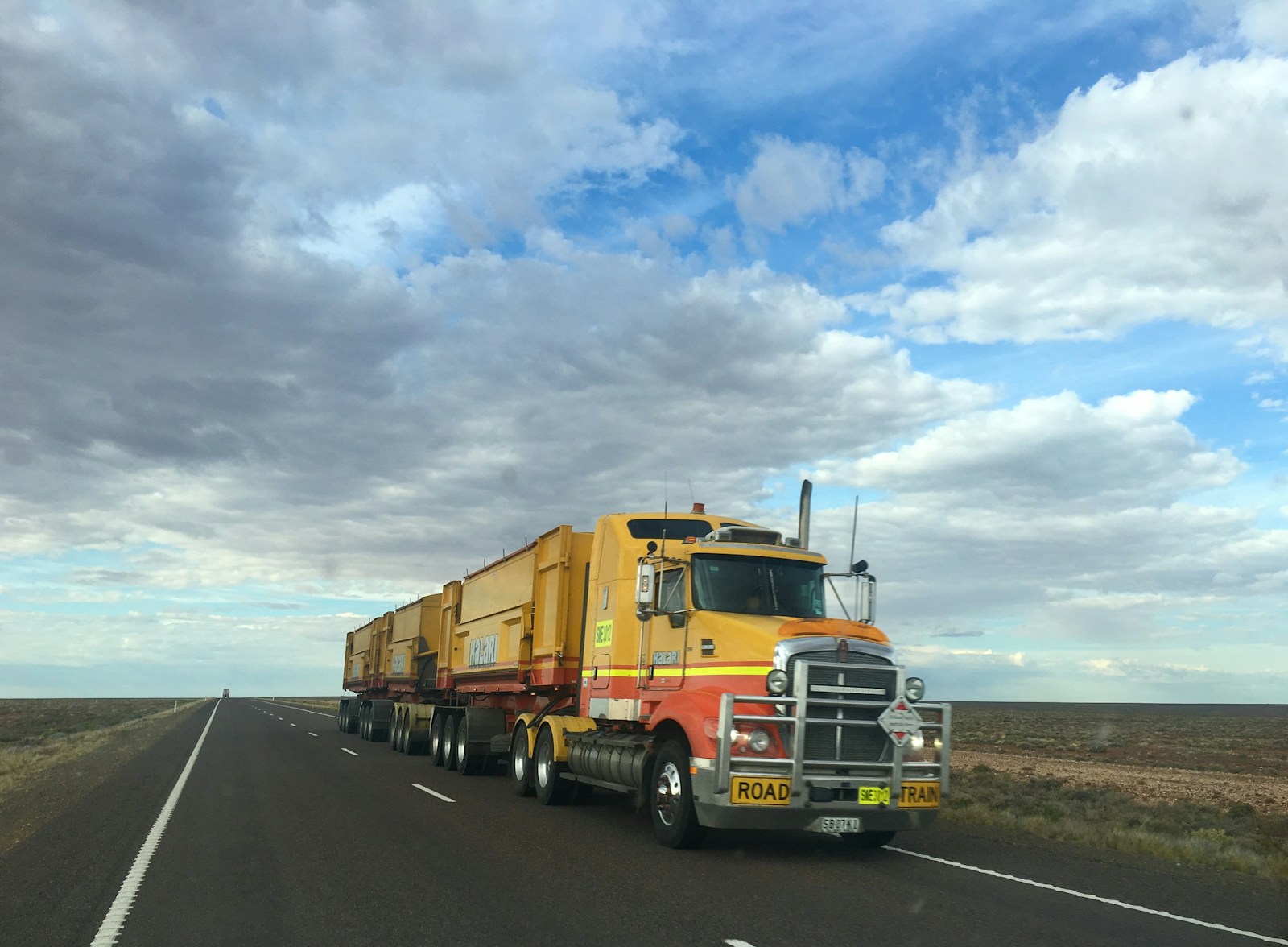
Nearly everything you buy traveled on a truck. But how much do truck drivers actually haul across the country, and what does it cost in fuel? Here’s a breakdown of just how critical trucking is to the U.S. economy and what kind of diesel bill comes with it.
Trucks move 72% of all goods in the U.S.
According to the American Trucking Associations (ATA), trucks carry more than 72 percent of all freight by weight in the United States. That’s over 11 billion tons of goods each year, including food, medicine, vehicles, fuel, and retail goods.
Over 80 percent of U.S. communities rely solely on trucking to receive everyday supplies, especially in remote or rural areas not served by rail or air.
If trucks stopped, store shelves would go empty within days.
A typical truck driver drives over 100,000 miles per year
Most long-haul truckers drive between 2,000 and 3,000 miles every week. That adds up to roughly 110,000 to 125,000 miles per year.
Owner-operators often exceed this range, especially when freight rates drop and they need to take more loads to maintain income.
Fuel consumption reaches 20,000 gallons per truck annually
A standard 18-wheeler gets about 6.5 miles per gallon. At that rate, a truck driving 120,000 miles in a year will burn through approximately 18,500 gallons of diesel.
At a fuel price of 4 dollars per gallon, that’s around 74,000 dollars per year in diesel costs alone.
For comparison, one truck uses as much fuel as 30 regular passenger cars combined.
Weekly diesel cost often exceeds $1,400
Here’s a breakdown of weekly fuel use for a single truck:
- Miles per week: 2,500
- Average fuel economy: 6.5 mpg
- Fuel used: 385 gallons
- Diesel price: $3.75 per gallon
- Weekly fuel cost: $1,444
With over 1.2 million for-hire carriers operating across the country, trucking is one of the largest diesel consumers in the economy.
How this affects everyday consumers
When diesel prices increase, freight costs rise. Those added costs don’t stay with the trucking companies. They get passed on to shippers, retailers, and ultimately to consumers.
That means groceries, electronics, building supplies, and even delivery services all get more expensive when fuel costs climb.
Takeaway:
Truck drivers transport over 70 percent of the nation’s goods and use tens of thousands of gallons of diesel per year to do it. Their fuel costs are a direct link between the pump and the price tags you see in stores.