You’ve probably noticed this before: when oil prices go up, gas prices at the pump jump almost immediately. But when oil prices drop, it feels like it takes forever to see the savings. What’s the reason for this delay?
Here’s a simple explanation.
1. Gas stations already paid more for the fuel
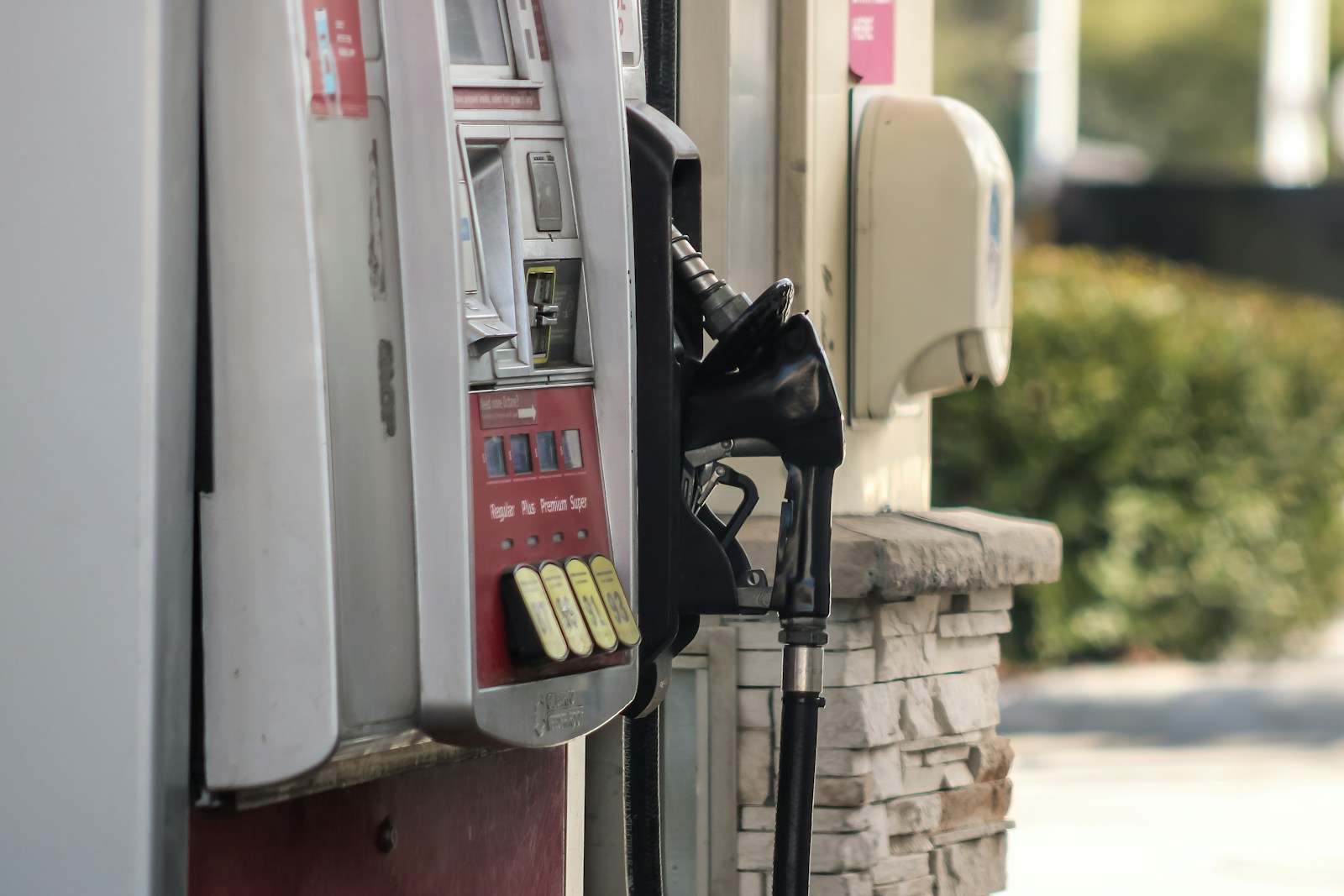
Most gas stations buy fuel in advance and store it in underground tanks. So when oil prices fall, they still have to sell the gas they already bought at the earlier, higher price. They won’t lower pump prices until they refill their tanks with cheaper gas.
This can delay price drops by several days or even weeks.
2. Wholesale prices fall first, not retail
When oil prices fall, it first affects wholesale gasoline price, what stations pay to get the fuel. Retail pump prices change only after wholesale prices drop consistently for a while.
Even then, retailers are cautious about passing the full savings along, especially if oil prices might bounce back up quickly.
3. Competition and location matter
In highly competitive areas, stations are quicker to cut prices so they don’t lose customers to nearby stations. In rural or less competitive areas, stations have more room to keep prices higher for longer.
This means the price drop hits different parts of the country at different speeds.
4. Taxes and fees stay the same
Even if oil gets cheaper, fuel taxes, shipping costs, and station operating costs don’t change. These fixed costs make up a large part of the pump price and limit how much the price can fall.
So a 20 percent drop in oil might only lead to a 5 to 10 percent drop in gas prices, depending on where you live.
5. “Rockets and feathers” effect
Economists call this behavior the “rockets and feathers” effect. Prices go up like a rocket when oil gets expensive, but come down slowly like a feather when oil gets cheaper.
This happens because sellers are quick to protect their profits when costs rise but slow to cut prices when costs fall.
Final thought
Oil price drops don’t lead to instant savings at the gas station. The delay happens because of how fuel is purchased, stored, priced, and taxed. So while falling oil prices are good news, it often takes a few weeks before drivers feel the difference at the pump.