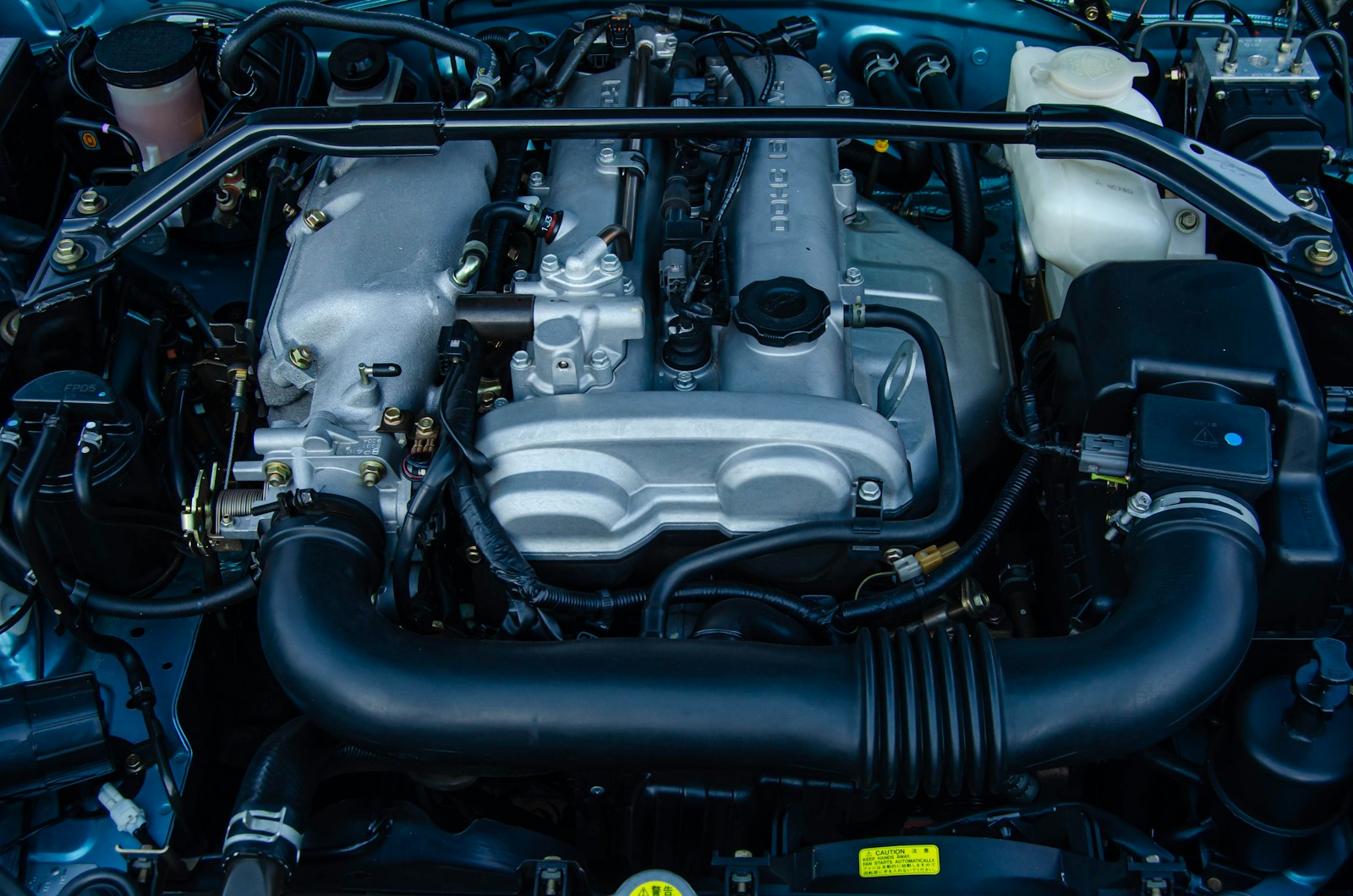
When buying a car or comparing fuel options, you’ve likely faced the age-old question: diesel or petrol? While both engines power millions of vehicles worldwide, they operate differently, and those differences affect performance, cost, maintenance, and environmental impact.
Here’s what you need to know.
1. How they work
Petrol engines use spark ignition. The air and fuel mix together in the cylinder, and a spark plug ignites the mixture.
Diesel engines use compression ignition. They compress air to a high temperature and then inject diesel fuel, which ignites due to the heat from compression. No spark plugs needed.
2. Fuel efficiency
Diesel engines are generally more fuel-efficient than petrol engines. They extract more energy per liter of fuel, especially at low RPMs and under heavy loads, making them ideal for:
- Trucks
- Long-distance driving
- Towing and hauling
3. Power and performance
- Petrol engines are often smoother and quieter, with higher RPMs, making them great for lighter vehicles and city driving.
- Diesel engines deliver more torque at lower RPMs, which translates to better pulling power and efficiency on highways.
4. Cost of ownership
| Factor | Diesel | Petrol |
|---|---|---|
| Fuel cost (per liter) | Often cheaper in some countries | Often cheaper in others |
| Fuel efficiency | Better mileage | Lower mileage |
| Engine price | More expensive upfront | Usually cheaper |
| Maintenance | More robust but costlier parts | Cheaper parts, more frequent servicing |
| Insurance | Often higher | Often lower |
Diesel engines last longer but can cost more to maintain due to higher repair costs and expensive parts like fuel injectors and turbochargers.
5. Emissions
- Petrol engines emit more CO₂.
- Diesel engines produce less CO₂ but more NOx and particulate matter, which are harmful to air quality.
Recent diesel models often include diesel particulate filters (DPF) and AdBlue systems to reduce harmful emissions.
6. Noise and vibration
Diesel engines used to be much louder and rougher. While modern technology has improved this, petrol engines still win in terms of quiet and smooth performance.
Final thoughts
If you drive long distances, need power for towing, or care about long-term fuel savings, diesel may be the better choice. If you mostly drive short trips or prioritize a lower upfront cost and smoother ride, petrol might suit you better.
Choosing between petrol and diesel depends on how and where you drive, not just the price at the pump.