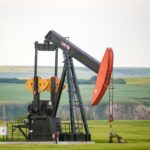
When oil prices fall below 60 dollars a barrel, it might sound like good news for drivers. Cheaper crude usually means lower gas prices. But the story is more complex. Low oil prices can reshape entire economies, affect jobs, and change long-term investment in energy production.
How oil prices connect to gas prices
Crude oil is the largest single cost in a gallon of gasoline. When oil falls, refineries pay less for feedstock, and gas stations can lower retail prices. On average, every 10 dollar drop in crude oil can reduce U.S. gas prices by about 25 cents per gallon.
However, other factors such as refining margins, taxes, and regional supply issues can delay or limit the savings that reach consumers.
Impact on U.S. oil producers
When prices fall below 60 dollars, many smaller oil companies start to struggle. Shale production in the United States has relatively high operating costs compared to producers in the Middle East.
At around 55 to 60 dollars, some wells become unprofitable. Companies may slow drilling, lay off workers, or postpone new projects. States like Texas, North Dakota, and New Mexico, which rely heavily on oil production, often feel the slowdown first.
Global effects
Lower oil prices affect more than just the United States. Major exporters such as Saudi Arabia, Russia, and Venezuela depend on oil revenue to fund government budgets. When prices stay low for months, these countries can face deficits, currency drops, or production cuts through OPEC agreements to push prices back up.
For importers like India or Japan, cheaper oil is a relief. It reduces transportation costs and helps control inflation.
What it means for consumers
In the short term, lower oil means lower gas prices. Families spend less on commuting and goods that rely on fuel, such as food and delivery services. This can increase consumer spending elsewhere in the economy.
But if prices remain low for too long, it can lead to job losses in the oil sector and reduced investment in energy infrastructure, eventually pushing prices higher again.
The balance point
Analysts often see 60 to 70 dollars per barrel as a balanced range. It keeps U.S. production profitable while allowing for stable gas prices at the pump. When oil drops well below that level, the market usually self-corrects as producers cut output and demand slowly rises.
Key takeaway:
Oil below 60 dollars can bring temporary relief at the gas station, but it also pressures U.S. producers and global exporters. Sustained low prices often lead to reduced supply, which sets the stage for future price rebounds.