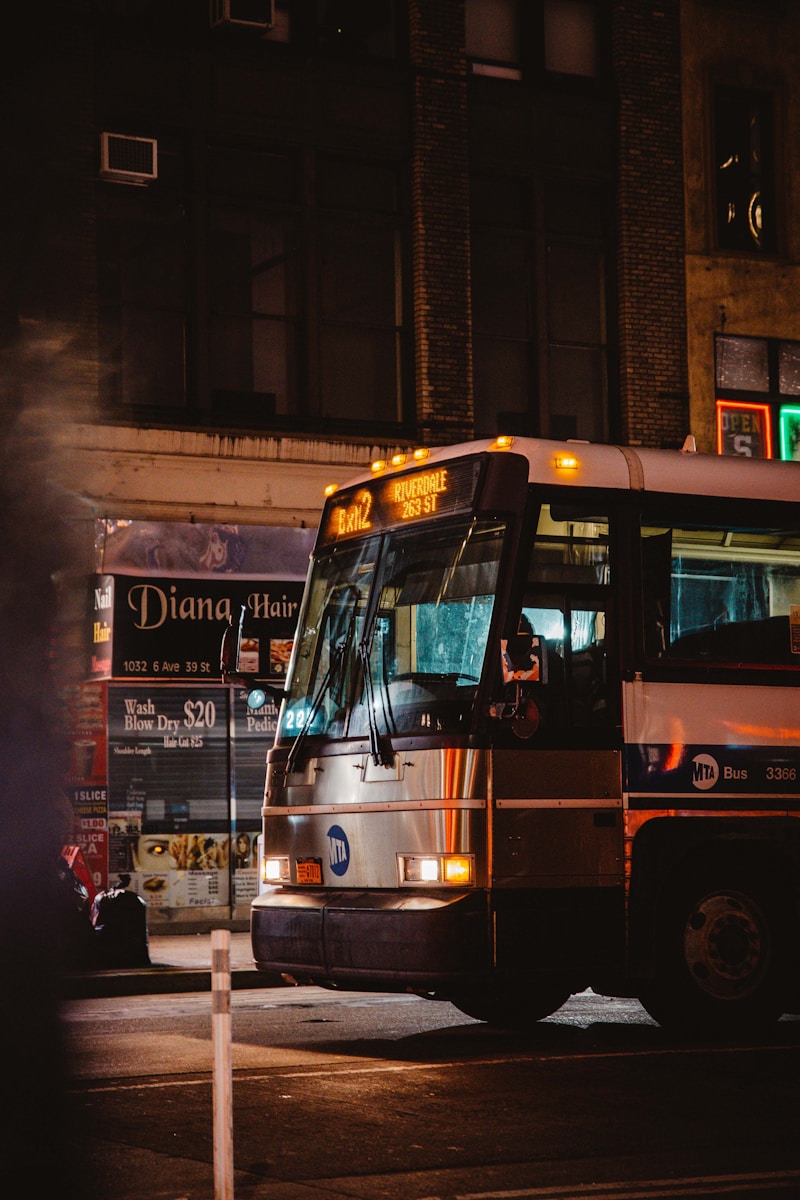
Transportation costs are often framed as a choice between driving and using public transit. Gasoline prices are highly visible and fluctuate with markets, while public transportation fares change slowly and are often subsidized. Comparing gas prices to public transportation costs over time shows how the relative affordability of mobility has shifted, and why driving remained dominant in much of the United States despite repeated fuel price shocks.
Gasoline prices vs public transit fares
The table below compares US average gasoline prices with typical public transportation fares. Transit prices represent approximate single-ride or monthly-equivalent averages in major US cities.
| Year | Gasoline price ($ per gallon) | Typical transit fare ($ per ride) | Monthly transit pass ($) |
|---|---|---|---|
| 1970 | 0.36 | ~0.30 | ~18 |
| 1980 | 1.25 | ~0.60 | ~30 |
| 1990 | 1.16 | ~1.00 | ~45 |
| 2000 | 1.51 | ~1.25 | ~65 |
| 2005 | 2.36 | ~1.50 | ~75 |
| 2010 | 2.83 | ~2.00 | ~90 |
| 2015 | 2.44 | ~2.25 | ~95 |
| 2020 | 2.18 | ~2.50 | ~100 |
| 2022 | 3.63 | ~2.75 | ~110 |
| 2025 | ~3.00 | ~3.00 | ~120 |
Prices are approximate national averages. Transit fares vary widely by city and service type.
How the relationship changed over time
1970s
In the early 1970s, public transportation was inexpensive in nominal terms, but so was gasoline. Even after the oil shocks, driving often remained competitive, especially in suburban and rural areas where transit coverage was limited.
1980s
Gasoline prices peaked early in the decade and then declined in real terms. Public transit fares increased steadily as operating costs rose and subsidies failed to keep pace with inflation. This decade reinforced car dependence across much of the country.
1990s
Gas prices stabilized while transit fares continued rising. Monthly passes became more expensive relative to fuel, especially for commuters with fuel-efficient vehicles. Driving retained a cost advantage outside dense urban cores.
2000s
Fuel prices rose sharply after 2000, narrowing the cost gap. In some metro areas, public transportation became cost-competitive for daily commuting, especially when parking costs were included. Still, fare increases continued, limiting the shift away from cars.
2010s
Gas prices fell after 2014, while transit fares rarely declined. This reversed some of the cost advantage public transportation gained earlier in the decade. For many households, driving once again appeared cheaper on a per-trip basis.
2020s
The pandemic disrupted both systems. Transit ridership collapsed while gas prices rebounded sharply in 2022. Fare increases continued as agencies faced budget shortfalls. By 2025, gasoline prices moderated, but transit costs remained structurally higher than in previous decades.
Cost per mile perspective
Gasoline prices alone do not represent the full cost of driving, but they strongly influence behavior. At $3.00 per gallon and 25 miles per gallon, fuel costs about $0.12 per mile. Public transportation, by contrast, often costs $3.00 per ride regardless of distance, making short trips relatively expensive and long trips relatively cheap.
This pricing structure explains why public transit is most competitive in dense cities with long commutes and expensive parking, while driving dominates in spread-out regions.