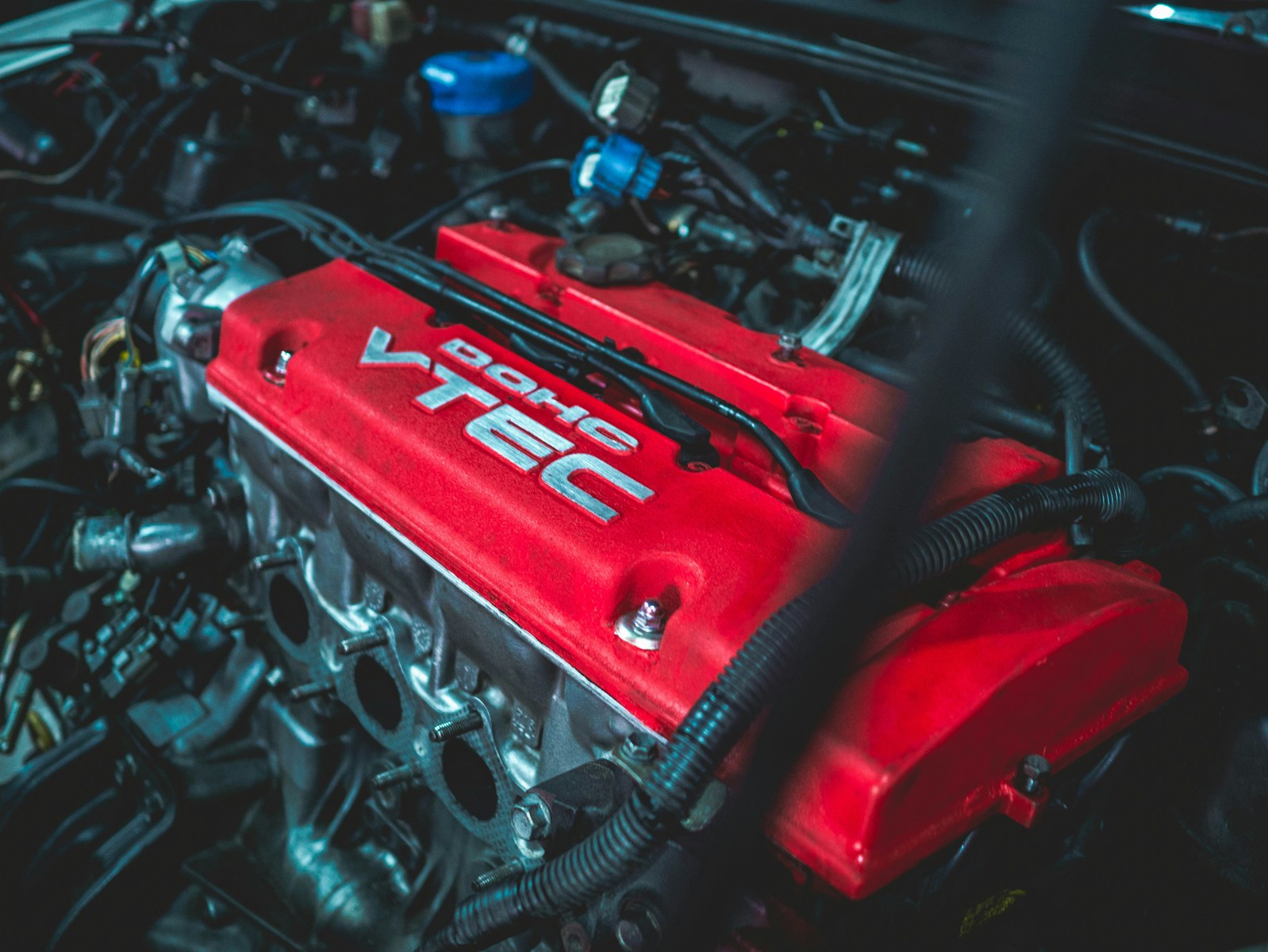
When choosing between a gasoline or diesel vehicle, understanding how their engines work can help you make a smarter decision. Both types convert fuel into motion, but they do it in different ways that affect performance, fuel economy, and maintenance costs.
How they ignite fuel
The main difference lies in how each engine starts combustion.
- Gasoline engines use spark plugs to ignite a mixture of air and fuel.
- Diesel engines rely on compression. They compress air to a high temperature and then inject fuel, which ignites from the heat alone.
This difference in ignition leads to unique performance characteristics.
Efficiency and fuel economy
Diesel engines are generally more fuel-efficient because of their higher compression ratios and leaner air-to-fuel mixtures. They can extract more energy from each gallon of fuel, making them ideal for long-distance driving or heavy loads.
Gasoline engines usually offer lower fuel economy, but modern designs with turbocharging and direct injection have narrowed the gap in recent years. Gasoline is also cheaper per gallon in the U.S., which can balance out the lower efficiency for many drivers.
Power and torque
- Diesel engines deliver more torque at lower RPM, making them better for towing, hauling, and commercial use.
- Gasoline engines produce more horsepower, which gives quicker acceleration and higher top speeds.
This is why diesel engines dominate in trucks and commercial vehicles, while gasoline engines remain popular for passenger cars and performance vehicles.
Maintenance and lifespan
Diesel engines are built to handle higher pressures, often resulting in longer lifespans with proper maintenance. However, their parts and service can be more expensive. Components like glow plugs, high-pressure fuel pumps, and particulate filters add complexity.
Gasoline engines usually have lower maintenance costs and simpler designs. They may not last as many miles as diesel engines in heavy-duty use, but for most everyday drivers, the difference is less noticeable.
Environmental impact
Diesel engines emit less CO₂ per mile due to better fuel efficiency, but they can produce more nitrogen oxides (NOx)and particulate matter, which affect air quality. Modern diesel vehicles use advanced emission control systems to reduce these pollutants.
Gasoline engines emit more CO₂ overall but generally produce fewer NOx emissions. Regulations and catalytic converters have significantly reduced their environmental footprint over the past decades.
Choosing the right engine for you
| Factor | Gasoline | Diesel |
|---|---|---|
| Fuel economy | Lower | Higher |
| Fuel price | Cheaper per gallon | More expensive per gallon |
| Torque | Lower | Higher |
| Maintenance | Cheaper, simpler | Costlier, more complex |
| Engine life | Good | Very long with care |
| Best for | City driving, short trips, performance | Long trips, towing, commercial use |
Bottom line
Gasoline engines offer lower upfront costs and simpler maintenance, making them ideal for everyday drivers. Diesel engines shine in efficiency and durability, especially for high-mileage or heavy-duty use. Your choice depends on how and where you drive.