As prices may go up and down, but one thing stays the same: nobody likes spending more than they have to at the pump. If you’re thinking about getting a new car and wondering whether a gas, hybrid, or plug-in hybrid is better for your wallet, you’re in the right place.
This guide compares these three types of cars based on real-world fuel costs, how they work, and what kind of driving habits make the biggest difference.
What’s the Difference Between These Three?
Before comparing fuel savings, it’s helpful to understand how each vehicle type works.
- Gas cars run only on gasoline. They have no electric motor or battery system to assist.
- Hybrids have both a gas engine and a small electric motor. They don’t need to be plugged in. The electric motor kicks in to reduce fuel use, especially in stop-and-go traffic.
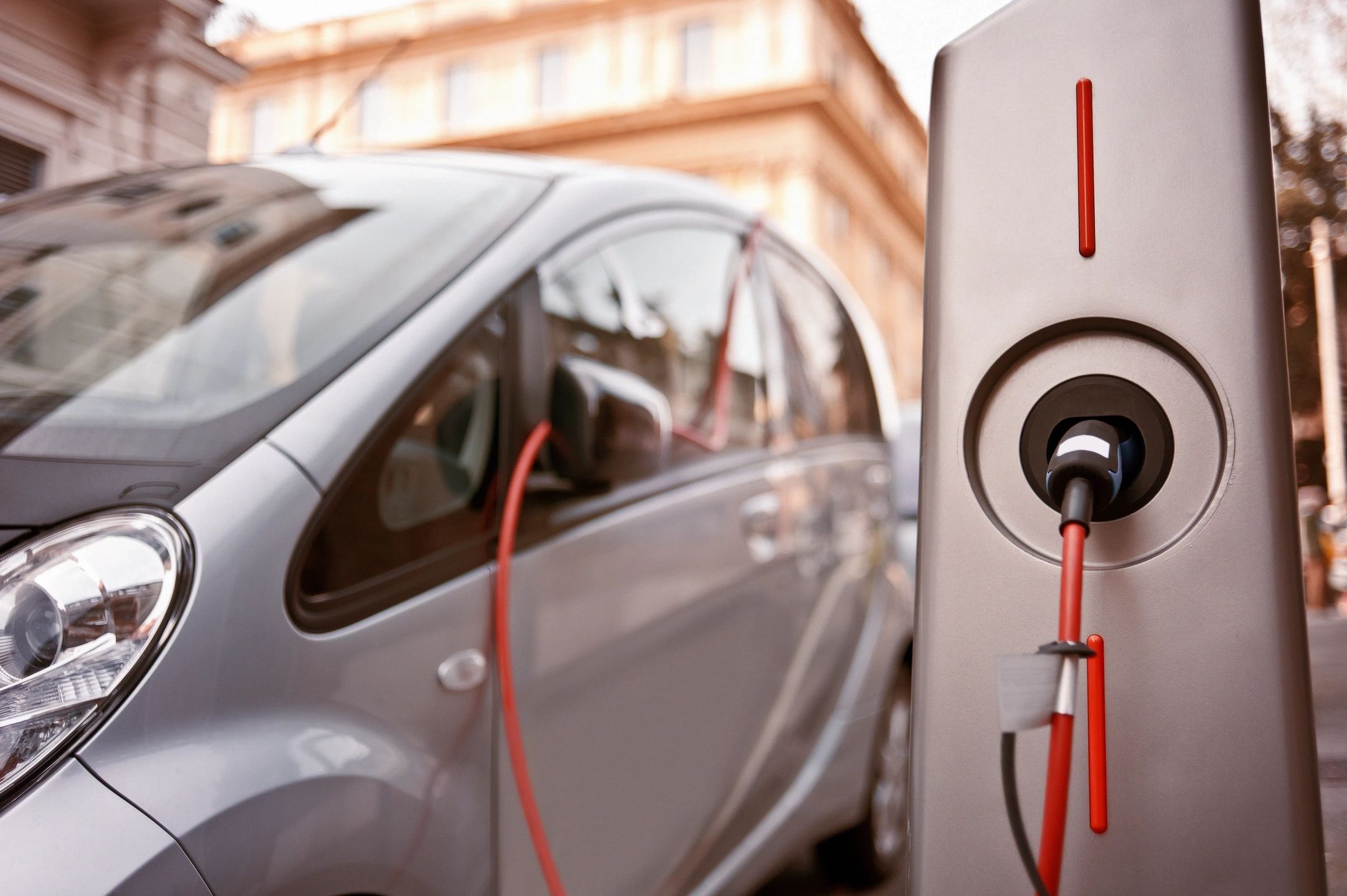
- Plug-in hybrids go a step further. They have a larger battery that you can charge from a wall outlet. On a full charge, many can drive 25 to 50 miles using electricity before switching to gas.
Fuel Efficiency Comparison
Now let’s compare how far you can go on a gallon of gas or its electric equivalent.
| Vehicle Type | Typical Efficiency |
|---|---|
| Gas car | 25 to 30 miles per gallon |
| Hybrid | 40 to 55 miles per gallon |
| Plug-in Hybrid | 70 to 90 miles per gallon equivalent (MPGe) when charged regularly |
These numbers depend on your driving habits. For example, hybrids are most efficient in city driving, while plug-in hybrids work best if you can charge them daily.
What Does That Mean for Fuel Costs?
Let’s assume you drive about 12,000 miles per year, and gas is $3.75 per gallon.
- A gas-only car might cost you around $1,800 per year in fuel
- A hybrid could reduce that to around $975
- A plug-in hybrid, when charged regularly, might cost as little as $600 to $850 per year
If most of your trips are short and local, a plug-in hybrid could cut your fuel bill by more than half.
Pros and Cons in Simple Terms
Gas Car
Good for upfront cost, but highest fuel expense over time. No charging needed, but less efficient.
Hybrid
Great for drivers who want better mileage without dealing with charging. You save gas in both city and highway driving.
Plug-in Hybrid
Best for short daily trips and people who can charge at home. You’ll save the most on fuel if you use the battery range often.
Which One Should You Get?
It depends on your routine.
- If you commute more than 50 miles daily with no place to charge, a hybrid might be the better choice.
- If you mostly drive short distances and can plug in at night, a plug-in hybrid will save you more.
- If you’re on a tighter budget upfront and don’t drive often, a basic gasoline car may still be fine.
Final Thoughts
If you’re trying to cut gas costs, even switching from a gas car to a regular hybrid can save you several hundred dollars a year. A plug-in hybrid can save even more if your lifestyle supports it.
Before choosing, track how many miles you drive in a typical day. That alone will tell you which option gives you the most value. In a time when fuel prices are unpredictable, making the right choice now can lead to years of savings.