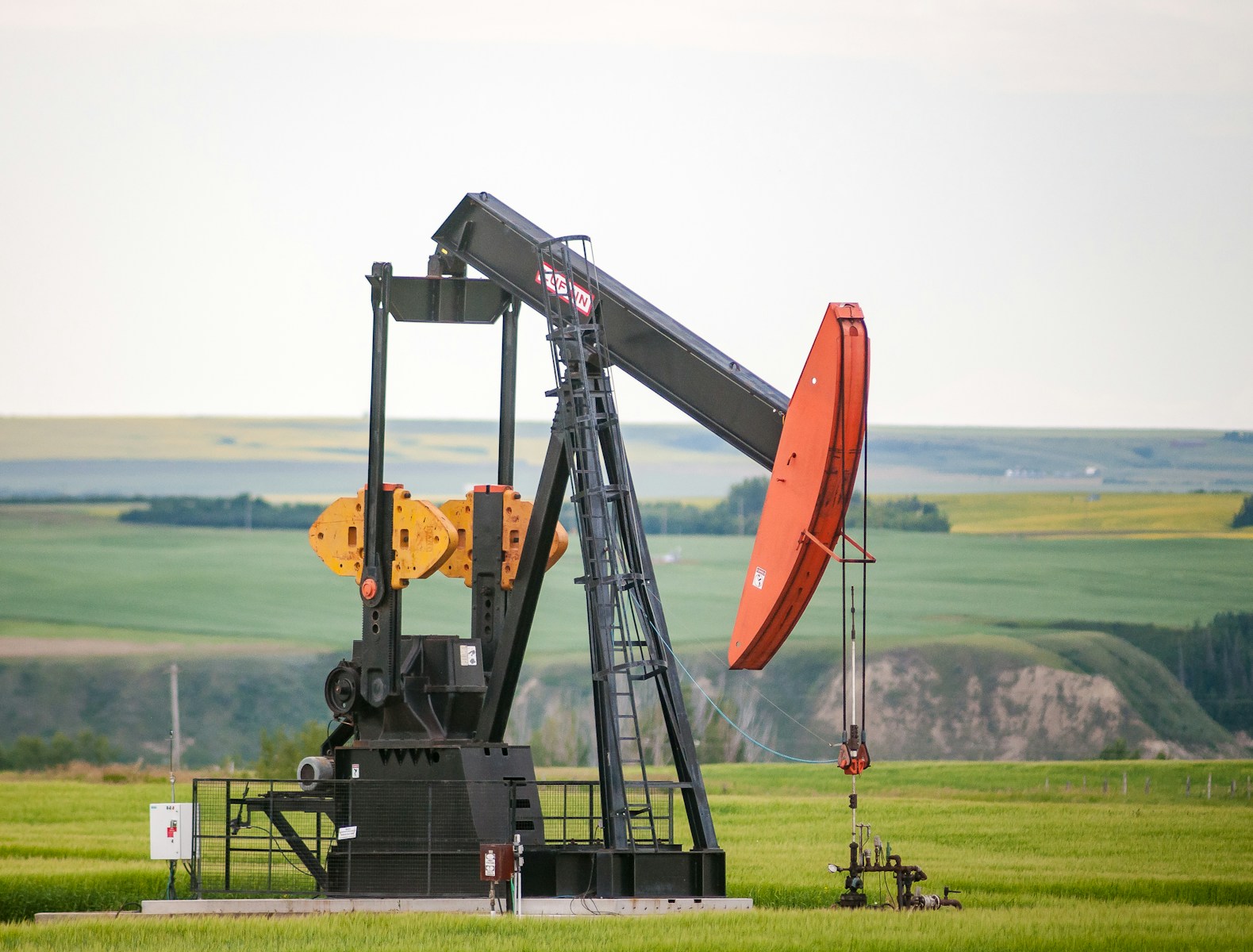
Oil prices are often quoted using two names: Brent Crude and West Texas Intermediate (WTI). These aren’t just random labels. They’re benchmarks that determine how much you’ll eventually pay for a gallon of gas. Understanding their differences helps explain why U.S. gas prices move the way they do.
What are oil benchmarks?
Oil benchmarks act like reference prices for global trading. They represent specific types of crude oil produced in certain regions.
The two most used are:
- Brent Crude: extracted from the North Sea (mainly the U.K. and Norway)
- WTI (West Texas Intermediate): extracted from U.S. oil fields, mostly in Texas and nearby states
When you hear “oil is $85 a barrel,” that price usually refers to one of these two benchmarks.
Brent Crude: The global standard
Brent is considered the international benchmark because it’s used by Europe, Africa, and much of Asia to price oil contracts. It’s a light and sweet crude, meaning it has low density and low sulfur, which makes it easier and cheaper to refine into gasoline and diesel.
Since Brent reflects global supply and demand, it’s more sensitive to OPEC decisions, Middle Eastern conflicts, and shipping routes like the Suez Canal.
WTI: America’s oil price
WTI is the main benchmark for oil produced and consumed in the United States. It’s also a light and sweet crude, but even cleaner than Brent, which makes it ideal for U.S. refineries.
The price of WTI is influenced by domestic factors such as U.S. production levels, pipeline capacity, storage at Cushing (Oklahoma), and refinery demand.
Brent vs WTI price gap
Brent usually trades slightly higher than WTI, often by about 2 to 6 dollars per barrel. This happens because:
- Brent is used in global trade where demand is broader
- WTI supply can outpace U.S. refinery capacity, creating local oversupply
- Transportation and export limits can temporarily push WTI prices lower
During global crises, the gap can widen as Brent reacts more sharply to international tension.
Which one affects U.S. gas prices more?
Although Brent sets global prices, WTI has the bigger impact on American gas stations. U.S. refineries buy domestic crude priced off WTI.
Still, when global markets tighten and Brent rises, the U.S. often imports refined products or crude priced closer to Brent, which raises prices nationwide.
Why the difference matters
Understanding these benchmarks helps you interpret oil news and predict gas price trends:
- Rising WTI may signal higher U.S. gas prices soon
- Rising Brent often points to global tension or supply risks
- A narrowing gap suggests stronger U.S. exports or weaker global demand
Watching both gives a clearer picture of how local and global factors shape what you pay at the pump.