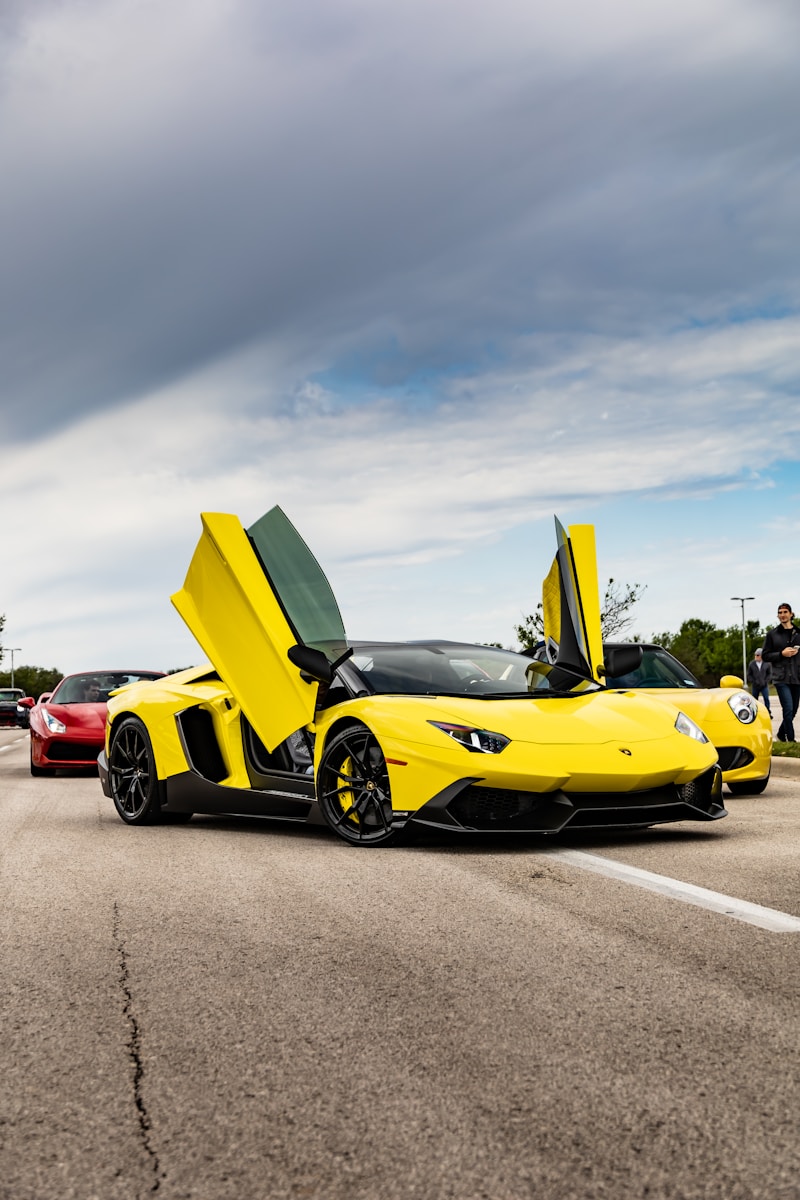
Supercars deliver extreme speed and power, but that performance comes at a cost: fuel efficiency. Unlike family sedans or SUVs, supercars often burn fuel at double or triple the rate of regular vehicles. For U.S. drivers, that means higher fuel expenses and more frequent trips to the pump.
Lamborghini Aventador

- Engine: 6.5L V12
- Power: 769 hp
- Fuel economy: Around 9 mpg city and 15 mpg highway
- Example: Driving 10,000 miles a year would use roughly 870 gallons of premium gasoline, costing over $3,000 annually at $3.50 per gallon.
Ferrari 812 Superfast

- Engine: 6.5L V12
- Power: 789 hp
- Fuel economy: About 12 mpg city and 16 mpg highway
- Example: A typical 10,000-mile year translates to about 720 gallons of fuel, or $2,500–$2,600 in annual fuel costs.
McLaren 720S
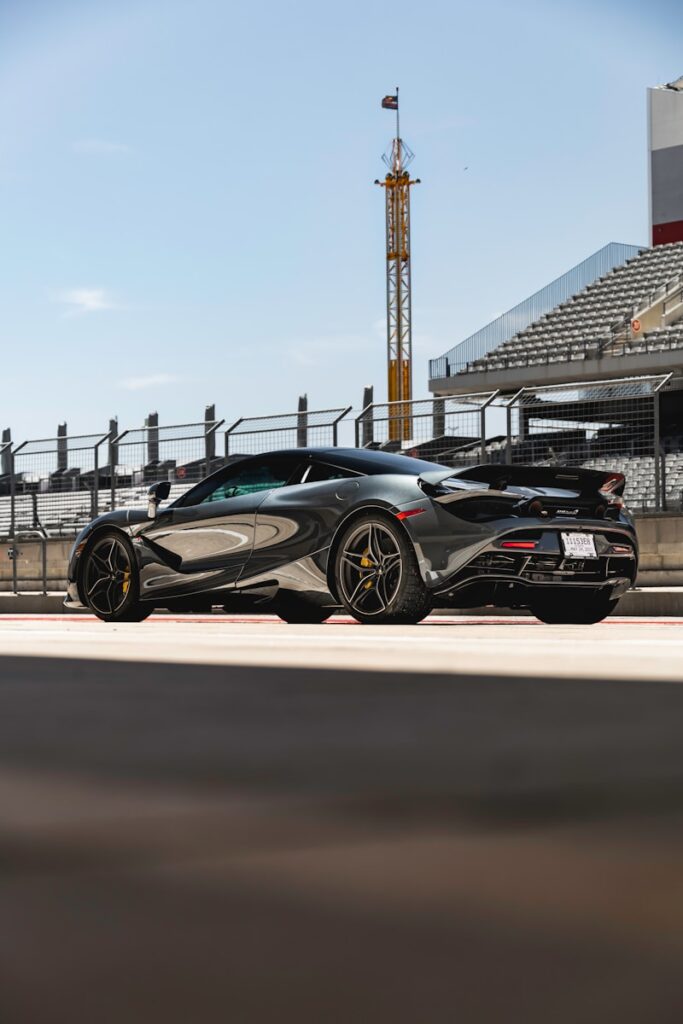
- Engine: 4.0L twin-turbo V8
- Power: 710 hp
- Fuel economy: Roughly 15 mpg city and 22 mpg highway
- Example: With mixed driving, owners might spend about $2,000 on fuel annually at current U.S. prices.
Porsche 911 Turbo S

- Engine: 3.8L twin-turbo flat-six
- Power: 640 hp
- Fuel economy: Around 15 mpg city and 20 mpg highway
- Example: Using 550–600 gallons per year for 10,000 miles, drivers can expect $1,800–$2,100 in fuel costs.
Bugatti Chiron

- Engine: 8.0L quad-turbo W16
- Power: 1,479 hp
- Fuel economy: About 9 mpg city and 14 mpg highway
- Example: Even light use can exceed 1,000 gallons annually, meaning $3,500+ in fuel bills for just 10,000 miles.
Key takeaway
Supercars are not designed with efficiency in mind. Owners pay a premium not only at purchase but every time they fill the tank. With fuel economy numbers often below 15 mpg, the yearly costs can rival what some Americans spend on an entire used car.