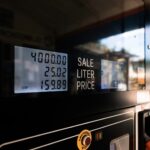
Owning a car is far more expensive in some countries than others. High fuel taxes, strict registration fees and expensive insurance can turn even basic transportation into a luxury. These examples show how much more drivers pay around the world.
What drives ownership cost
Four factors determine total yearly cost:
- Purchase price and import duty
- Fuel or electricity
- Insurance premiums
- Registration, road tax and inspections
Countries with heavy taxation and high fuel prices appear at the top of every global ranking.
Singapore
Yearly ownership cost: 15,000 to 25,000 dollars
- New cars can cost 90,000 to 150,000 dollars because of import duty and the Certificate of Entitlement fee.
- Annual insurance often reaches 1,200 to 2,500 dollars.
- Fuel is around 8 to 9 dollars per gallon.
- Parking can cost 200 to 400 dollars per month.
Owning even a small hatchback can exceed the cost of owning a luxury car elsewhere.
Hong Kong
Yearly ownership cost: 10,000 to 18,000 dollars
- Purchase prices are high due to registration tax ranging from 40 to 115 percent.
- Fuel averages around 9 dollars per gallon.
- Parking is one of the highest in the world, often 300 to 500 dollars per month.
- Insurance commonly ranges from 800 to 2,000 dollars per year.
Driving is considered a premium lifestyle choice, not a necessity.
Norway
Yearly ownership cost: 7,000 to 12,000 dollars
- Gasoline averages 8 to 9 dollars per gallon.
- Annual insurance for typical drivers ranges from 600 to 1,400 dollars.
- Registration tax is based on emissions and can reach several thousand dollars for new cars.
- EVs are cheaper to buy but electricity prices can still raise monthly cost.
Norway is one of the most expensive European countries for fuel and taxes.
Denmark
Yearly ownership cost: 6,000 to 10,000 dollars
- New cars face registration taxes up to 150 percent.
- Fuel averages around 7 to 8 dollars per gallon.
- Insurance typically ranges from 900 to 1,500 dollars yearly.
- Annual road tax depends on emissions and can reach 1,000 dollars.
Even compact economy cars become luxury-level purchases here.
Iceland
Yearly ownership cost: 6,000 to 9,000 dollars
- Fuel averages 8 to 9 dollars per gallon.
- Imported cars cost significantly more because of shipping fees.
- Insurance for a family car often ranges from 700 to 1,200 dollars.
- Repairs cost more because parts must be shipped.
Iceland’s small market and remote location sharply raise driving costs.
United Kingdom
Yearly ownership cost: 5,000 to 9,000 dollars
- Gas ranges from 6.50 to 8 dollars per gallon.
- MOT inspection is required every year.
- Young driver insurance can reach 3,000 dollars yearly.
- Road tax ranges from 200 to 900 dollars per year.
Drivers in London face extra fees for congestion and low emission zones.
Australia
Yearly ownership cost: 5,000 to 8,000 dollars
- Fuel ranges from 4.50 to 6 dollars per gallon depending on state.
- Annual comprehensive insurance often costs 900 to 1,800 dollars.
- Registration and compulsory insurance can reach 800 to 1,200 dollars yearly.
- Long distances mean higher fuel spend.
Large SUVs and pickup trucks increase yearly budgets even more.
New Zealand
Yearly ownership cost: 4,500 to 7,500 dollars
- Fuel averages around 6 to 7 dollars per gallon.
- Annual licensing and mandatory inspections cost around 200 to 300 dollars.
- Insurance averages 600 to 1,000 dollars.
- Imported cars pay extra taxes and shipping fees.
Car ownership is essential outside cities, which raises average mileage.
Italy
Yearly ownership cost: 4,500 to 7,000 dollars
- Fuel typically costs 7 to 8 dollars per gallon.
- Insurance averages 600 to 1,500 dollars depending on region.
- Maintenance costs are higher for older European cars.
- Parking in large cities often adds 100 to 200 dollars monthly.
High fuel taxes make Italy one of the most expensive places to drive in southern Europe.
What this means for drivers
Countries with high import taxes and heavy fuel taxes consistently reach the top of global cost rankings. When gasoline prices rise, drivers in these locations experience the impact quickly because their base costs are already high.