
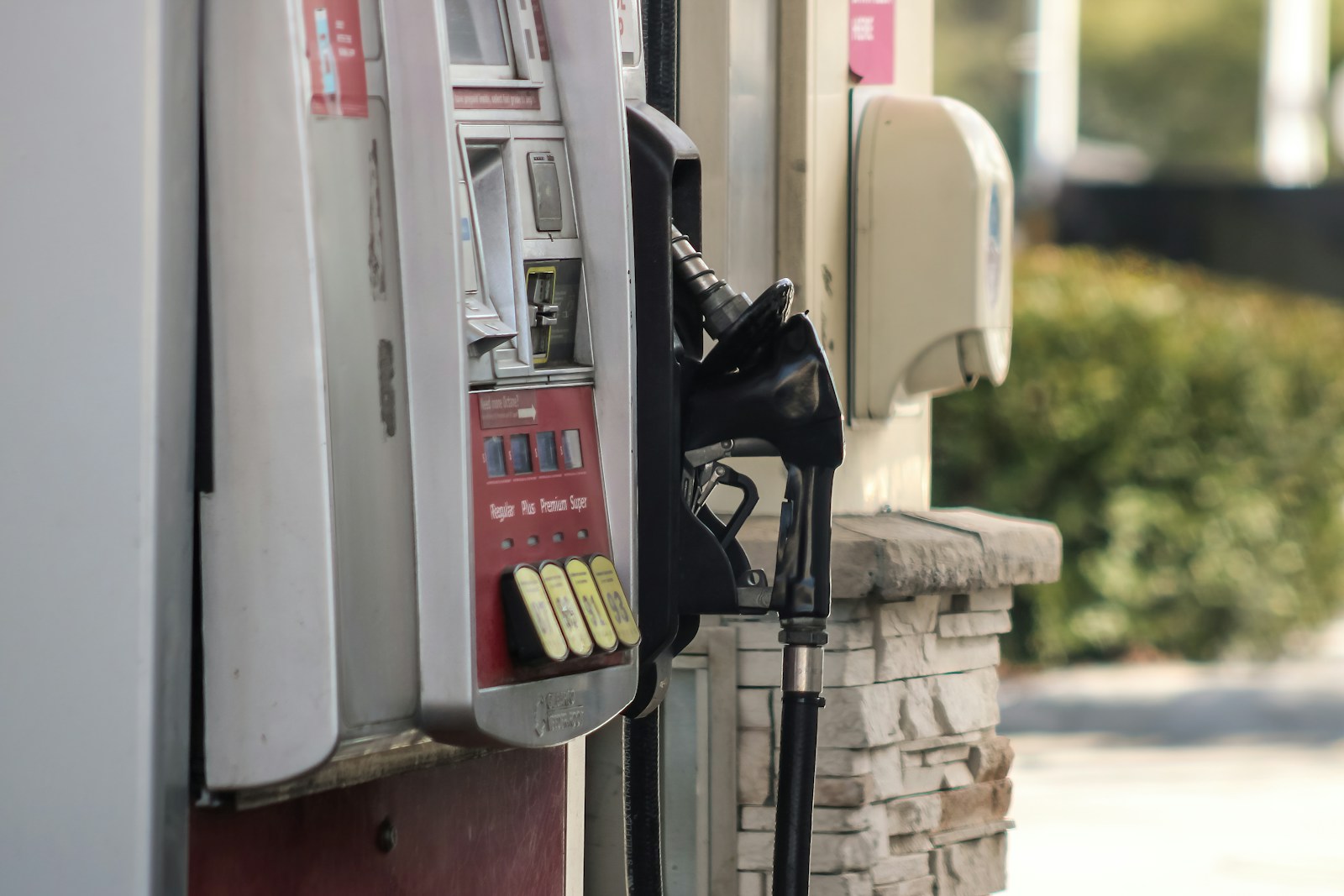
If you’ve ever stared at the gas pump wondering whether to go with 87, 89, or 91 octane, you’re not alone. The numbers aren’t just price tags. They’re tied to how your engine performs. But what do they actually mean? And is it ever worth paying extra?
Let’s break it down.
What is octane?
Octane is a measure of a fuel’s resistance to knocking or pre-ignition in your engine. When fuel ignites at the wrong time, before your spark plug fires, it creates a “knock.” That knock isn’t just annoying. Over time, it can damage your engine.
A higher octane number means the fuel can withstand higher pressure and heat before it ignites. So:
- 87 octane = regular
- 89 octane = mid-grade
- 91–93 octane = premium
Why some engines need higher octane
High-performance engines, like those in sports cars, turbocharged vehicles, or luxury models, often compress the air-fuel mixture more tightly to get more power. That higher pressure makes them more prone to knock. So they need higher-octane fuel to prevent it.
Using the right octane is about matching the fuel to your engine’s design.
Will premium fuel improve performance?
Only if your car requires it.
If your manual says regular (87) is fine, using 91 or 93 won’t magically give you more horsepower or better mileage. You’re just paying more for fuel your engine won’t take advantage of.
However, if your car requires premium and you use regular instead, you could experience:
- Reduced power
- Lower fuel efficiency
- Engine knocking (in extreme cases)
How to know what your car needs
Check the owner’s manual or the label near the gas cap. If it says:
- “Premium recommended” – You can use regular, but might lose a little performance
- “Premium required” – Stick to 91 or higher to avoid long-term engine damage
- “Regular unleaded” – 87 is fine, no need to upgrade
Octane isn’t about fuel quality
This is a common myth. Higher octane doesn’t mean “cleaner” or “better” fuel. It just means the fuel resists knocking better. All fuels sold in the U.S. meet EPA minimum standards, whether they’re 87 or 93.
Takeaway
Octane ratings matter, but only if your engine demands it. If your car runs on regular, stick with 87 and save your money. If it calls for premium, use it. Your engine will thank you.
