Car insurance isn’t just a legal requirement, it’s a critical financial tool. But many drivers mistakenly believe that car insurance covers everything that happens to their car. The truth is more nuanced. Here’s a clear breakdown of what’s included, what’s excluded, and why it matters.
What Car Insurance Does Cover
1. Bodily Injury Liability
This coverage pays for injuries you cause to others in an at-fault accident.
- Covers: Hospital bills, ambulance fees, surgery, rehab, and legal fees if you’re sued.
- Doesn’t cover: Your own medical costs.
- Required in nearly every state: minimum amounts vary.
Example: You rear-end someone, and their passenger breaks an arm. Bodily injury liability covers their treatment and any legal action.
2. Property Damage Liability
This pays for damage you cause to other people’s property: most often, their car.
- Covers: Repair or replacement of the other vehicle, or even damage to a fence, mailbox, or building.
- Doesn’t cover: Damage to your own vehicle.
Example: You hit someone’s parked car. This coverage pays to fix their bumper.
3. Collision Coverage
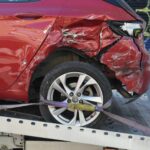
Optional coverage that protects your own vehicle, even if the accident is your fault.
- Covers: Damage from crashes, whether it’s with another car, a wall, or a tree.
- Doesn’t cover: Wear and tear, or mechanical failure.
Example: You slide on ice and crash into a pole. Collision coverage pays to repair or replace your car, minus your deductible.
4. Comprehensive Coverage
Covers non-collision damage, often referred to as “acts of God or nature.”
- Covers:
- Theft
- Vandalism
- Hail and flood damage
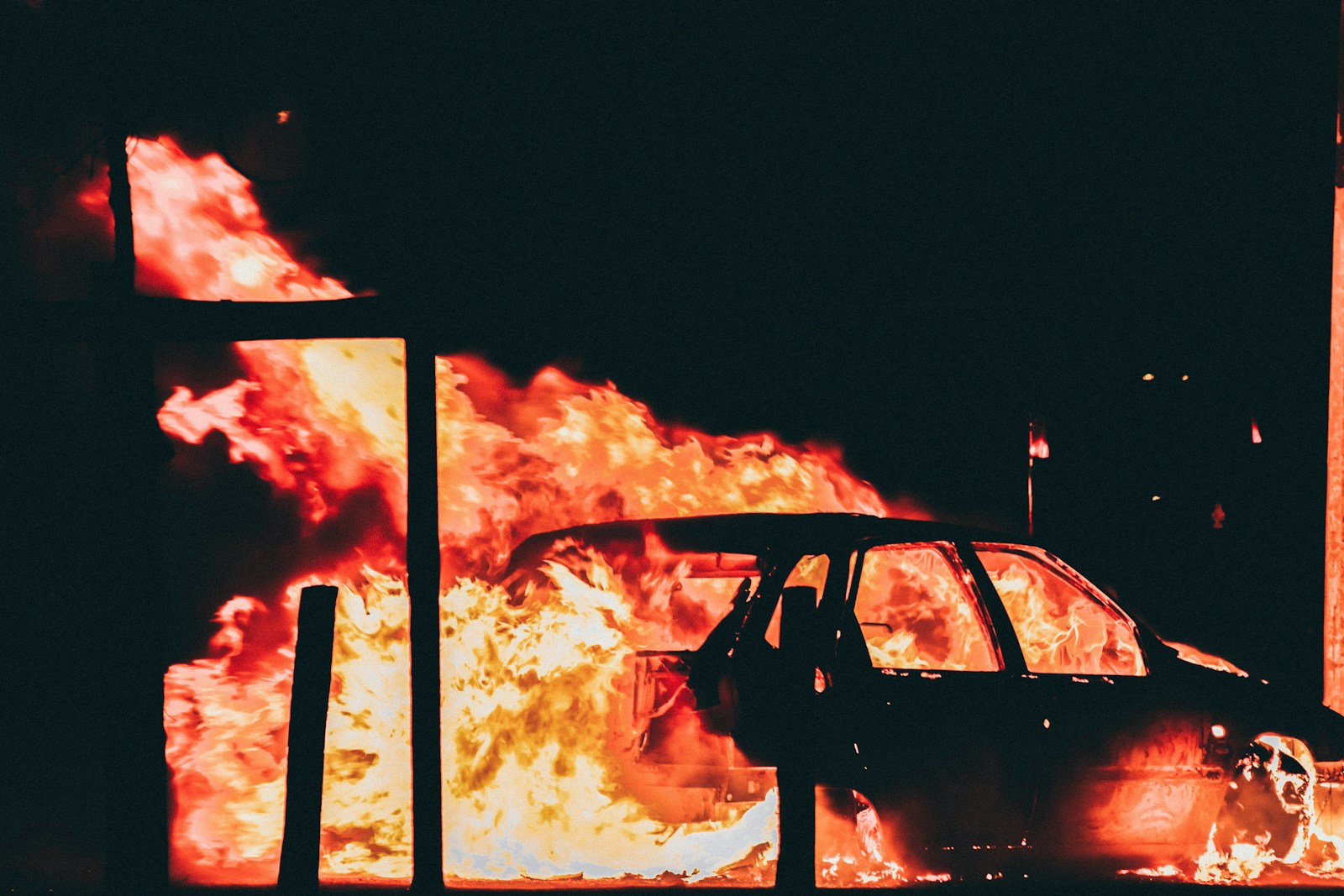
- Fire
- Animal collisions
- Falling trees or debris
- Doesn’t cover: Mechanical problems or normal wear.
Example: A hailstorm smashes your windshield. Comprehensive covers the damage.
5. Uninsured/Underinsured Motorist Coverage
Protects you if another driver causes an accident but lacks enough insurance.
- Covers: Your medical bills, sometimes property damage
- Required in some states, optional in others
- Especially valuable in states with high rates of uninsured drivers
Example: You’re hit by a driver with no insurance. This coverage helps pay your hospital bills.
6. Medical Payments (MedPay) or Personal Injury Protection (PIP)
Pays for your medical expenses, regardless of who caused the accident.
- MedPay: Only covers medical costs
- PIP: Covers medical, lost wages, rehab, and sometimes funeral costs
- Mandatory in some “no-fault” states
Example: You’re injured in a crash caused by another driver. PIP helps cover your recovery even before their insurer pays out.
What Car Insurance Does Not Cover
1. Mechanical Breakdowns
Car insurance doesn’t act like a warranty. If your engine dies or your transmission fails, you’re on your own.
- Doesn’t cover: Engine trouble, worn-out brakes, battery failure, or timing belt issues
- Exceptions: If a covered accident causes mechanical damage (e.g., after a crash), it might be covered.
Maintenance = your responsibility, not the insurer’s.
2. Routine Maintenance
Oil changes, new wipers, tire rotations, brake pads, none of these are covered.
- Why: Insurance only covers unexpected events, not regular upkeep.
- Tip: Keep maintenance records; they can help during resale or if you later file a damage claim.
Even if a neglected oil change leads to engine damage insurers won’t help.
3. Stolen Personal Belongings in the Car
Auto insurance won’t pay for items stolen from your vehicle.
- Not covered: Laptops, phones, tools, bags, etc.
- Do this instead: File a claim under homeowners or renters insurance, which usually protects personal property even outside the home.
Someone smashes your window and steals your gym bag? Car insurance fixes the window, your renters policy replaces the bag.
4. Driving for Work or Delivery (Without Extra Coverage)
If you’re driving for Uber, Lyft, DoorDash, or Amazon Flex, you need special coverage.
- Standard personal policies typically exclude commercial use
- Rideshare insurance fills the gap between personal and platform coverage
- Some platforms offer limited coverage when the app is on
Getting into an accident while making a delivery? Your personal policy may deny the claim.
5. Putting the Wrong Fuel in Your Car
Pumping diesel into a gas engine (or vice versa) causes costly damage, but it’s considered driver error, not an insurable event.
- You’ll pay for the repairs unless you have mechanical breakdown coverage (rare)
- Tow and repair costs are not covered by standard policies
Triple-check the fuel type when using unfamiliar pumps or rental cars.
6. Intentional Damage or Insurance Fraud
If you cause damage on purpose or file a false claim, not only is it not covered, but it’s also a crime.
- Examples: Staging accidents, torching your own car, lying about details
- Consequences: Denied claims, dropped coverage, legal penalties
Insurance companies investigate suspicious claims carefully and share data across providers.
Final Thoughts: Know Your Coverage, Avoid Costly Mistakes
Many drivers assume “full coverage” means everything’s protected, but that’s not true. Insurance is designed for sudden, accidental events, not routine costs or driver errors.
Before you rely on your policy:
- Read your declarations page
- Know your deductibles
- Ask your agent about gaps
- Consider optional add-ons like roadside assistance, rental reimbursement, or rideshare coverage
Understanding your car insurance is just as important as paying for it.