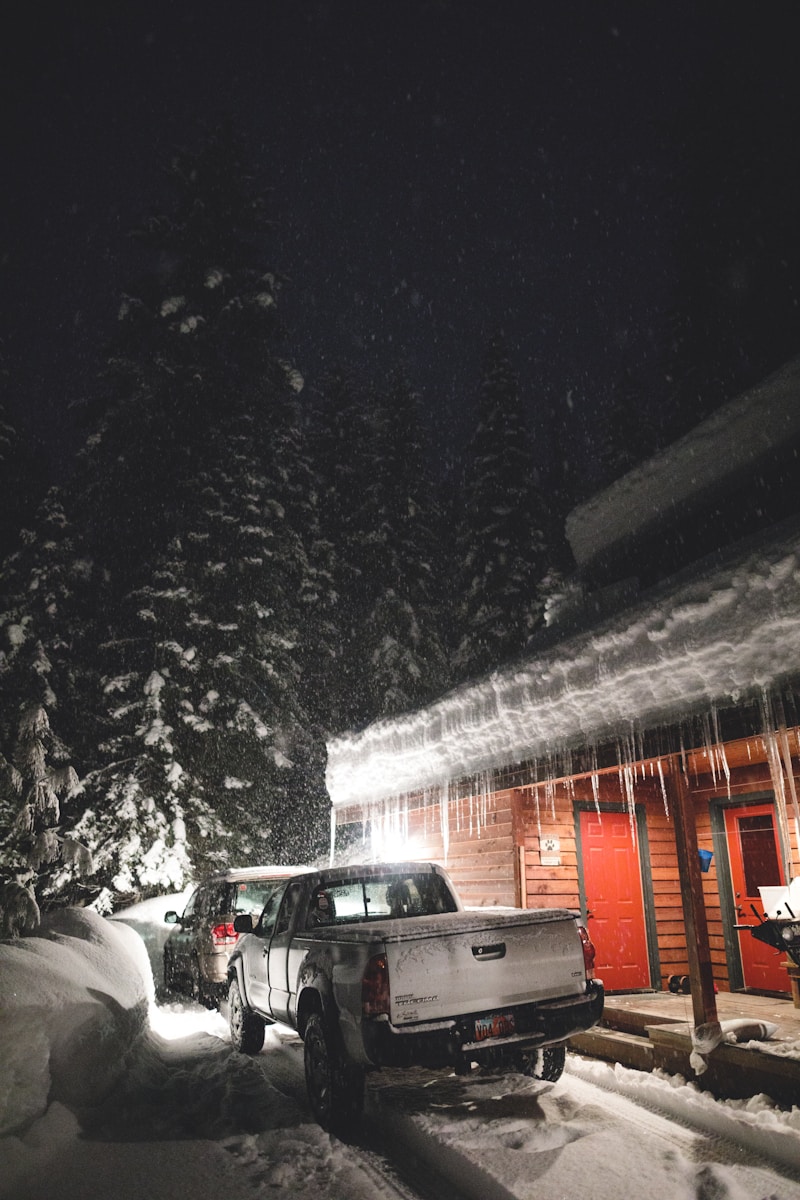
Cold weather can turn a healthy car into a no-start headache. Low temperatures affect the battery, fuel system, and engine oil, making it harder for your vehicle to start. Here’s a checklist to help you quickly find the problem and get back on the road.
1. Battery condition
Cold weather reduces battery capacity. If you hear a clicking sound or the engine cranks slowly, the battery is the first suspect. Check:
- Battery voltage (should be at least 12.4 volts at rest)
- Clean, tight battery terminals with no corrosion
- Age of the battery (replace if older than 3–5 years)
2. Starter motor
If the battery is charged but the engine doesn’t turn over, the starter motor could be faulty or frozen. Listen for a single click or no sound at all.
3. Fuel supply
In extreme cold, diesel fuel can gel, and gasoline can be blocked by frozen water in the lines. Check:
- Fuel level (keep above half a tank in winter)
- Use of winter-blend diesel or anti-gel additive for diesel vehicles
- Signs of ice in the fuel lines (engine turns over but doesn’t fire)
4. Engine oil thickness
Thick oil slows down the crank. Using oil with the wrong viscosity for winter can make cold starts harder. Check your manual for winter-rated oil, such as 0W-20 or 5W-30 for many modern cars.
5. Ignition system
Spark plugs, ignition coils, and wiring can all cause a no-start. If the engine cranks normally but won’t fire, inspect:
- Spark plug condition and gap
- Moisture around ignition wires or distributor caps in older vehicles
6. Blocked air intake
Snow or ice can block the air filter or intake. Check for:
- Ice buildup in the grille or air ducts
- Wet or frozen air filter
7. Cold-soaked electronics
In extreme sub-zero temperatures, sensors and control modules can malfunction until they warm up. Disconnecting the battery for a few minutes and reconnecting may reset them, but only if safe to do so.
8. Preventive steps for next time
- Park indoors or use an engine block heater
- Keep the battery charged with a trickle charger if not driving often
- Use the correct oil and winter-rated fuel
- Keep the gas tank above half to reduce moisture buildup
Bottom line
When your car won’t start in the cold, begin with the battery and work through fuel, oil, and ignition checks. Most winter no-start problems can be avoided with the right maintenance and preparation before freezing weather hits.