
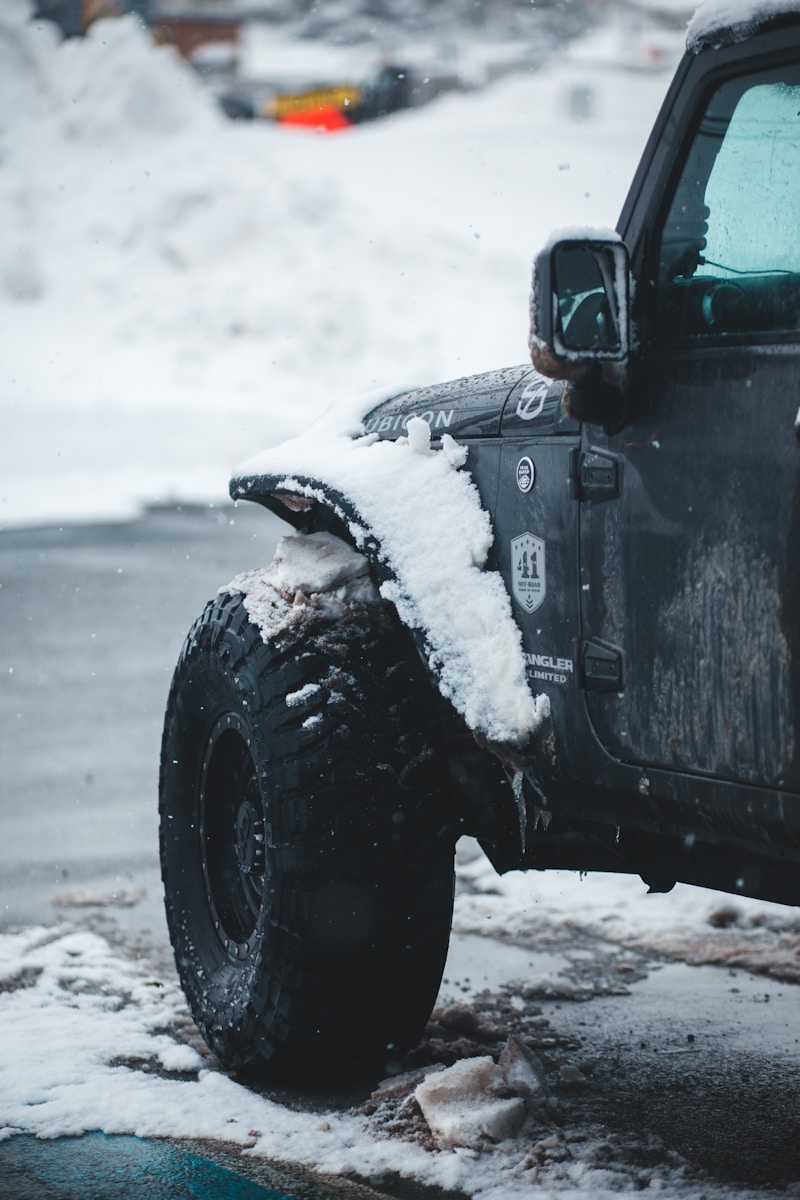
Winter mountain travel can be tricky for drivers. Many states enforce chain control laws on steep or snowy routes, making it essential to know when and where chains or traction devices are legally required.
Here are key routes to watch:
California (Sierra Nevada)
On routes like Interstate 80 (Donner Pass) and U.S. Highway 50 (Echo Summit), Caltrans may require snow chains, snow tires, or other traction devices during and after storms. Checkpoints are common when chain restrictions are active. Four-wheel-drive vehicles with snow tires are typically exempt. Trucks must carry chains throughout winter.
Colorado (Rockies)
Chain laws apply on Interstate 70, especially between Denver and Vail, plus at Vail Pass and the Eisenhower Tunnel. These regulations form part of the state’s Traction Law or Passenger Vehicle Chain Law.
Washington (Cascade Mountains)
On I-90 through Snoqualmie Pass, the WSDOT often mandates chain installation during winter. Variable message signs alert drivers when chains are required.
Oregon (Cascade Passes)
Routes such as U.S. Highway 26 (Mount Hood), Santiam Pass (OR 22), and Willamette Pass (OR 58) may require chains under winter conditions.
Nevada (Lake Tahoe region)
Mountain routes like U.S. 50 and I-80 near Tahoe enforce chain control during snow events.
Montana
Some roads such as parts of U.S. Highway 212 (Beartooth Highway) and Marias Pass require chains during winter.
Utah (Wasatch Mountains)
Chain rules are common near ski corridors like Little Cottonwood Canyon (State Route 210) during snow events.
Wyoming
Mountain corridors including Teton Pass and roads near Yellowstone National Park often require chains during winter storms.
Why it matters for drivers
Failing to comply with chain requirements can result in heavy fines. In Vail, Colorado, truck drivers may face up to $2,650 if their unchained vehicles block the highway. State troopers in areas like California and Nevada also actively enforce chain-down laws.
Quick Reference Table
| Region | Key Passes & Roads | When Chains Are Required |
|---|---|---|
| California | I-80 (Donner Pass), US 50 (Echo Summit) | During or after storms; checkpoints enforced |
| Colorado | I-70 (Vail Pass, Eisenhower Tunnel) | Winter weather; strict chain law enforcement |
| Washington | I-90 (Snoqualmie Pass) | Winter storms; variable-message alerts |
| Oregon | US 26, OR 22, OR 58 (Mountain passes) | Snow conditions; chain signs enforced |
| Nevada | US 50, I-80 (Tahoe area) | Winter storms; chain-required zones |
| Montana | US 212 (Beartooth Hwy), Marias Pass | Winter season; chain requirement applicable |
| Utah | Little Cottonwood Canyon (SR 210) | Winter driving conditions |
| Wyoming | Teton Pass, Yellowstone area | In snowy conditions; chain zones enforced |
Bottom line
If you are planning winter travel through U.S. mountain regions, always check DOT updates and obey chain control signs. Carrying chains or using proper snow tires or cables is not only safer, it can keep you out of costly trouble on the road.
