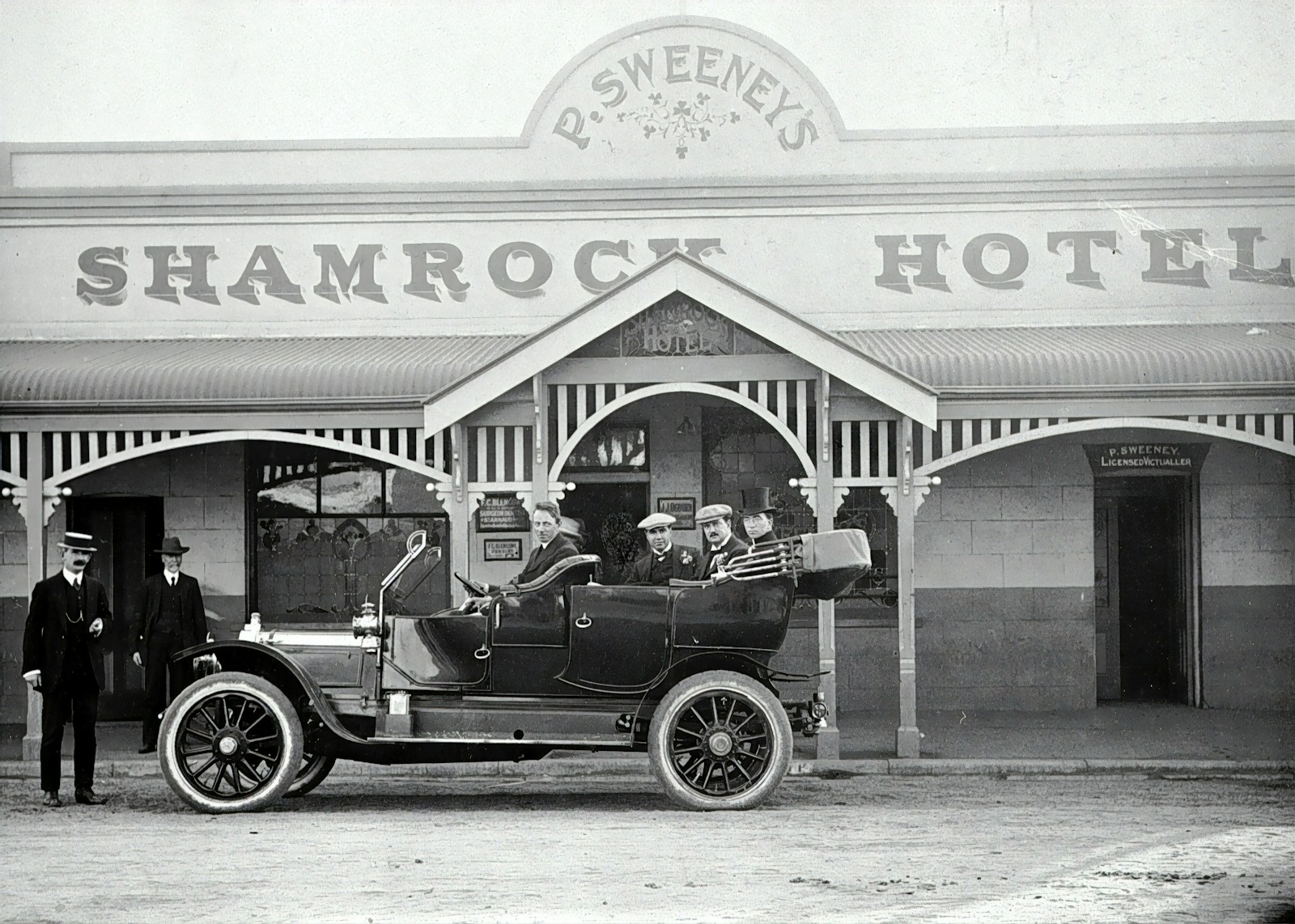
Gas prices in the United States have changed dramatically over the past century. To truly understand how much fuel cost “back in the day,” it’s important to look not just at the raw numbers, but also how they compare when adjusted for inflation.
The price of gas in 1925
In 1925, the average price of a gallon of gasoline in the U.S. was $0.22 according to data from the U.S. Energy Information Administration (EIA) and historical economic records.
That might sound incredibly cheap, but remember, the average American earned far less back then, and inflation has greatly changed the value of money.
Adjusted for inflation
Using the U.S. Bureau of Labor Statistics inflation calculator, $0.22 in 1925 is equivalent to about $3.80 in 2025 dollars.
That means:
- In inflation-adjusted terms, gas was roughly as expensive in 1925 as it is today.
- While nominal prices were lower, the real cost to consumers was quite significant for that era.
Why gas prices were what they were
Several factors influenced gas prices in the 1920s:
| Factor | Impact |
|---|---|
| Limited supply | Crude oil exploration was still developing, making supply more volatile |
| Early refining technology | Less efficient, higher production costs |
| Low fuel demand | Fewer cars, but lower demand didn’t mean low cost due to lack of scale |
| Tax introduction | The federal gas tax of 1 cent per gallon was introduced in 1932, after this period, but some states had already started taxing fuel |
Gas was a luxury for many
Although more affordable cars like the Ford Model T brought driving to the middle class, owning a car and paying for gas was still a luxury for many Americans. A family spending 22 cents on a gallon of gas in 1925 was making a significant purchase relative to income.
Comparison chart
| Year | Price per gallon | Adjusted to 2025 |
|---|---|---|
| 1925 | $0.22 | $3.80 |
| 1950 | $0.27 | $3.34 |
| 1970 | $0.36 | $2.95 |
| 2000 | $1.51 | $2.70 |
| 2024 | $3.65 (average) | $3.65 |
Takeaway
While it’s tempting to romanticize the low gas prices of a century ago, the reality is that once you adjust for inflation, Americans have been paying roughly similar prices per gallon for decades. What has changed most is how much people drive, fuel efficiency, and income levels, which have shifted the true economic burden of fueling up.
Sources:
- U.S. Energy Information Administration (EIA)
- U.S. Bureau of Labor Statistics Inflation Calculator
- Historical data from American Petroleum Institute archives