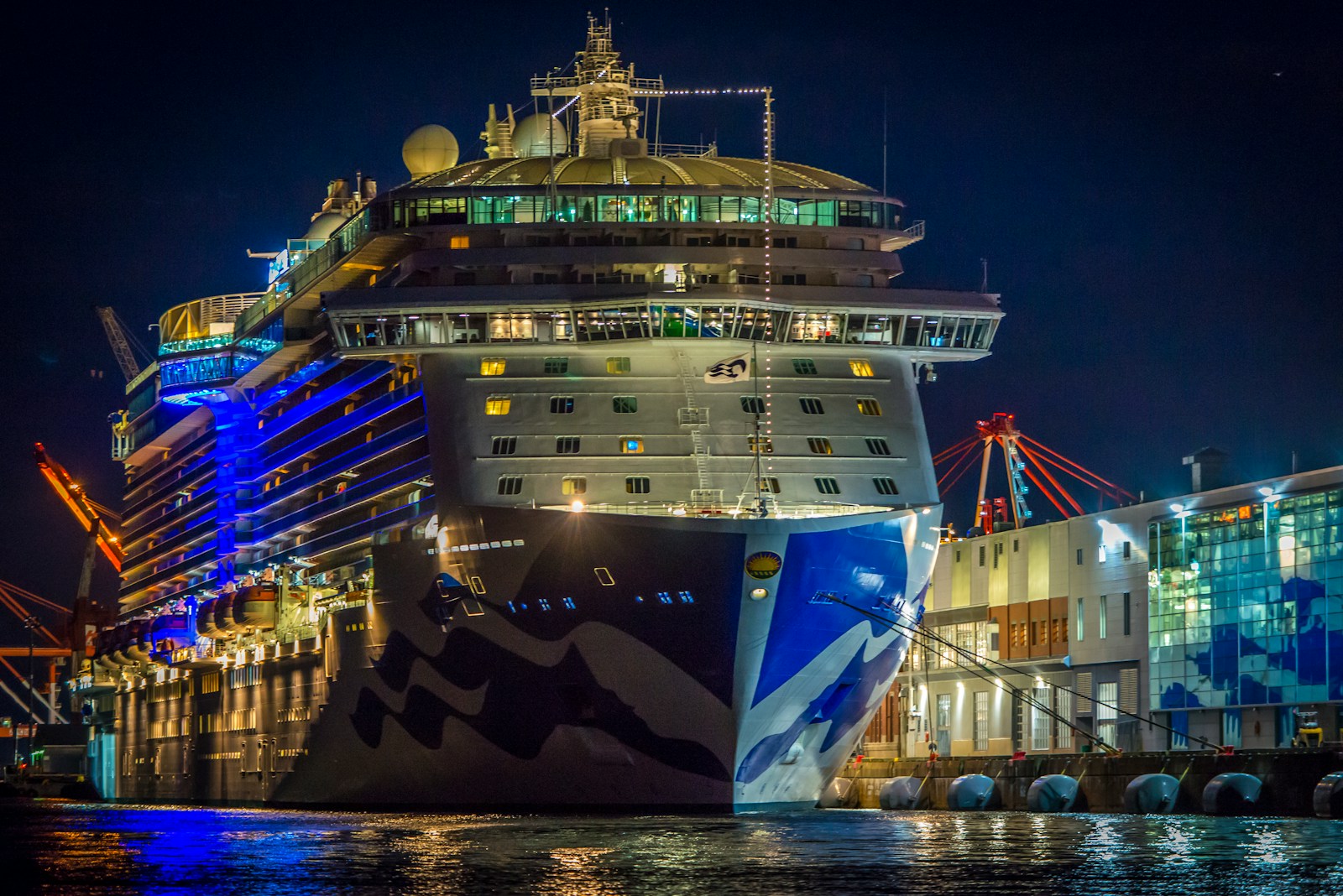
Cruise ships may offer unforgettable experiences, but they also consume a huge amount of fuel. A transatlantic voyage from the US to Europe gives us a clear look at just how much energy it takes to power these floating cities.
How much fuel is used per day?
A typical mid-sized cruise ship burns between 130 and 200 tons of fuel per day. That’s roughly 40,000 to 66,000 gallons. The type of fuel used is usually Heavy Fuel Oil (HFO) or Marine Gas Oil (MGO). HFO is cheaper but more polluting, which has led to stricter regulations and upgrades to cleaner alternatives on many vessels.
Example route: New York to Southampton
- Distance: about 3,150 nautical miles
- Average speed: 20 knots
- Duration: 7 days
- Daily fuel use: around 150 tons
- Total fuel used: 1,050 tons, or about 312,000 gallons
This is enough to fill more than 19 large tanker trucks.
Estimated fuel cost
Fuel prices vary, but a common estimate for HFO is $500 per ton.
- 1,050 tons × $500 = $525,000
That means over half a million dollars is spent on fuel for a single crossing.
Cost per passenger
If the cruise carries 3,000 people:
- $525,000 ÷ 3,000 = $175 per person
This only covers fuel and does not include staff, food, or maintenance.
Efforts to reduce fuel use
Cruise lines are actively working to cut fuel consumption by:
- Launching ships powered by liquefied natural gas (LNG)
- Using low-drag hull designs
- Installing hybrid and electric systems
- Optimizing routes and cruising speeds with software tools
Some modern ships use up to 20 percent less fuel than their older counterparts.
Final thought
A one-way transatlantic cruise can burn more than 1,000 tons of fuel, costing hundreds of thousands of dollars. This high fuel demand is one reason the cruise industry is moving toward cleaner, more efficient technology.