Most drivers know the basics of winter driving: slow down, increase following distance, and use winter tires. But there are lesser-known factors that can make a big difference in safety, performance, and even fuel costs when driving in cold U.S. conditions.
1. Winter gas blends lower your MPG
Refineries switch to winter-grade gasoline in cold months to help engines start more easily. This fuel evaporates faster in low temperatures, but it also contains less energy per gallon, which means your fuel economy can drop by 1 to 3 MPG.
2. Tire pressure can drop by 1 PSI for every 10°F
A sudden cold front can lower your tire pressure overnight, reducing grip and increasing fuel consumption. Checking tire pressure weekly in winter can improve both safety and mileage.
3. Anti-lock brakes work differently on ice
ABS is designed to prevent wheel lockup, but it may cause a pulsating pedal on slick surfaces. This is normal and you should keep steady pressure rather than pumping the brakes.
4. Black ice often forms in sunny weather
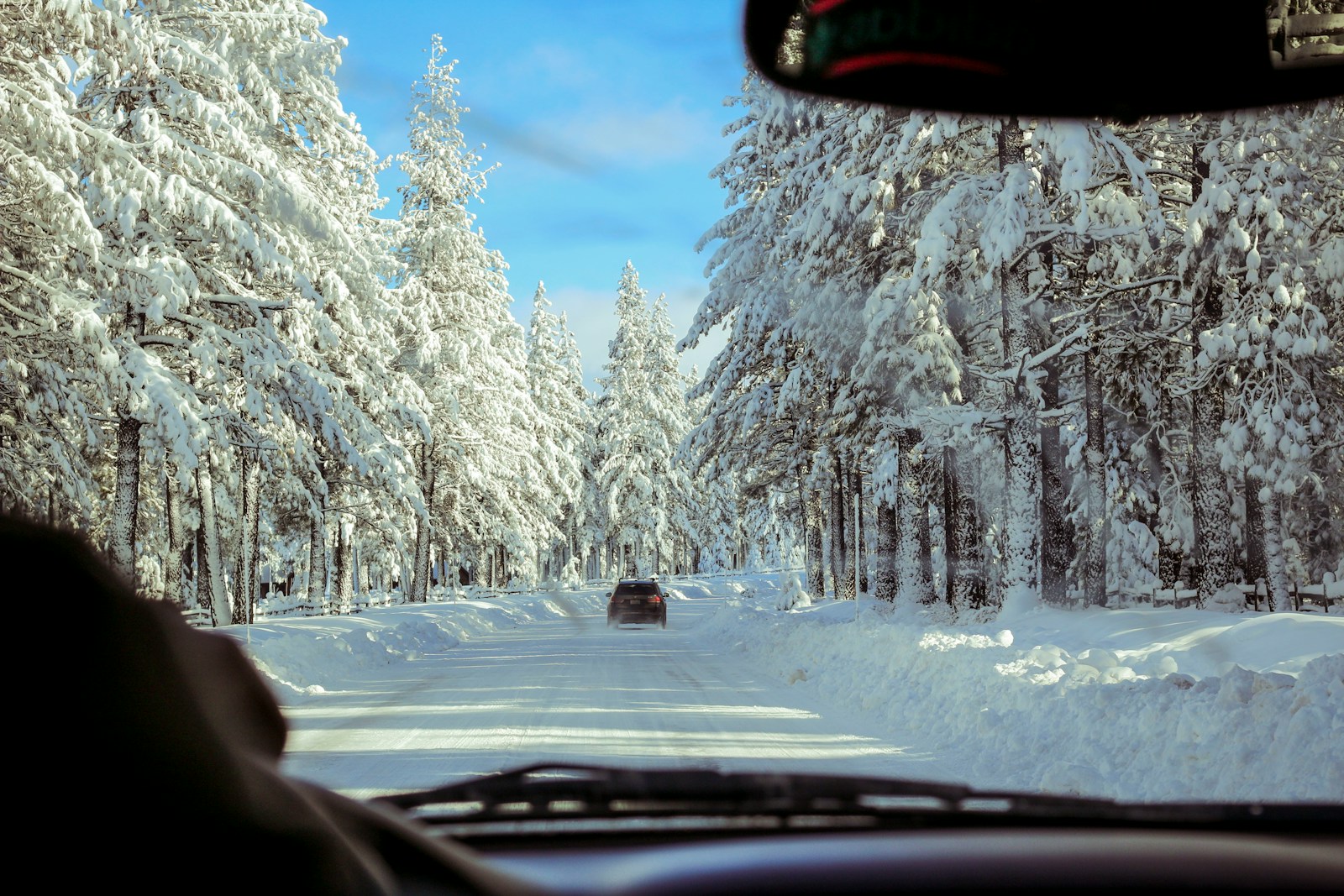
It is not just a nighttime hazard. Black ice can appear during sunny days if melting snow refreezes on shaded road sections, bridges, or overpasses.
5. Heated seats and defrosters can affect fuel usage
While essential for comfort, electrical accessories draw power from the alternator, which increases engine load and fuel consumption, especially on short trips where the engine never fully warms up.
6. Four-wheel drive does not help you stop faster
Many drivers assume 4WD makes them safer in all ways. It improves traction for acceleration, but stopping distances on snow or ice are the same as a two-wheel-drive car with similar tires.
7. Warming your engine too long can waste fuel
Modern engines do not need more than 30 to 60 seconds of idling before driving. Long warm-ups burn unnecessary fuel and can even cause condensation buildup in the exhaust system.
8. Wind chill affects you, not your car
While wind chill makes the air feel colder to people and animals, it does not lower the temperature of your engine or fuel below the actual air temperature. Your car will cool down to ambient air temperature, but no further.
Bottom line
Winter driving in the U.S. comes with unique challenges, many of which are not widely discussed. Understanding how fuel blends, tire pressure, braking systems, and vehicle features behave in cold weather can give you a safer, more efficient winter driving season.