Fuel cost comparisons are easiest to understand when you look at MPG side by side, without converting everything into dollar estimates that change with gas prices and driving habits. This article includes only popular 2026 vehicles that are available with both gasoline and hybrid powertrains.
All MPG figures shown are combined ratings.
Gas vs Hybrid MPG Comparison
| Vehicle | Gas MPG | Hybrid MPG |
|---|---|---|
| Toyota RAV4 | 28 MPG | 40 MPG |
| Honda CR-V | 29 MPG | 38 MPG |
| Toyota Camry | 32 MPG | 51 MPG |
| Hyundai Tucson | 26 MPG | 36 MPG |
| Ford F-150 | 22 MPG | 25 MPG |
How to Read These Numbers
The MPG gap between gas and hybrid versions shows how much fuel efficiency improves when electric assistance is added. A larger gap usually means greater fuel savings, especially for drivers who spend more time in city traffic.
SUVs See the Largest MPG Gains
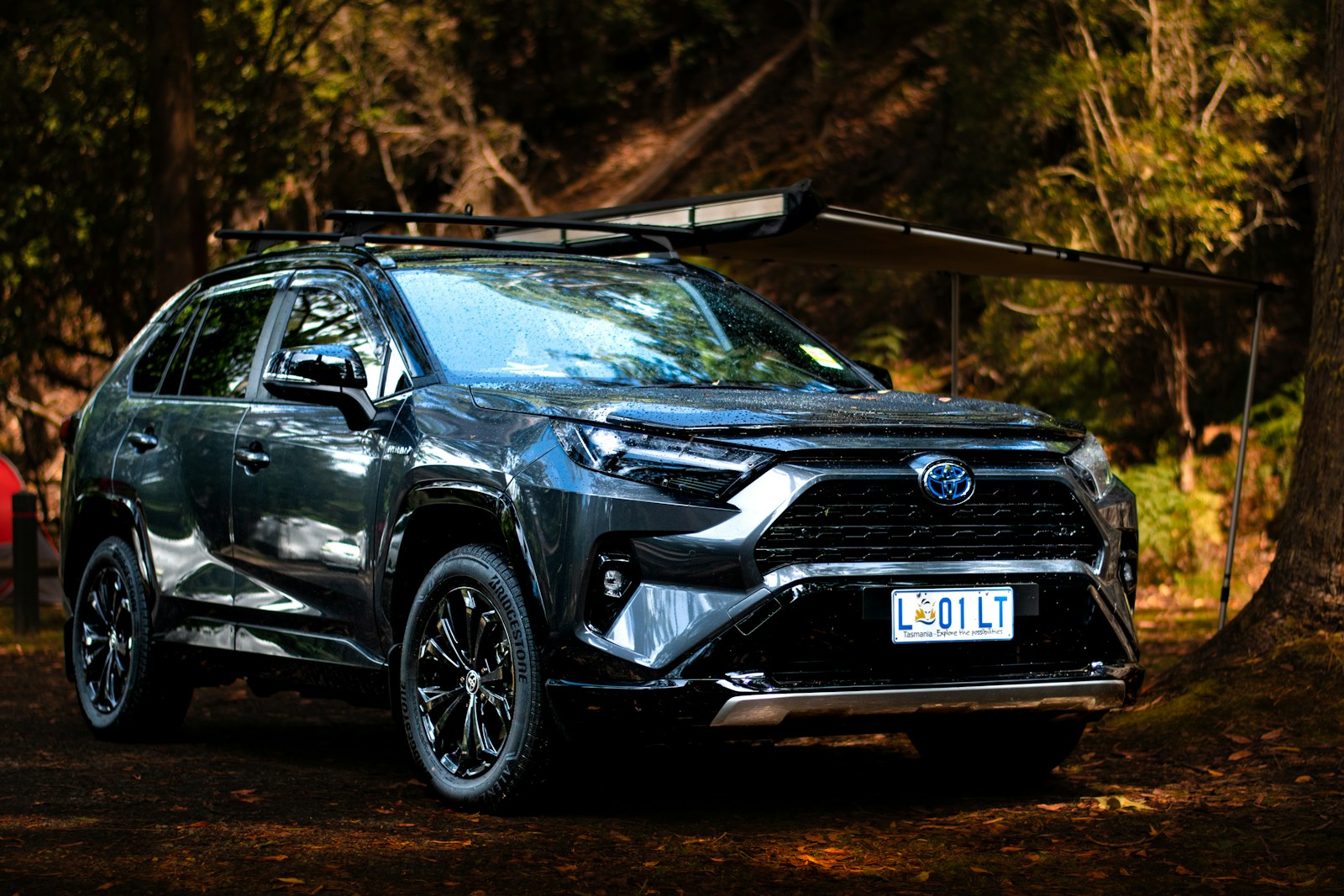
Compact and midsize SUVs benefit the most from hybrid systems. The Toyota RAV4, Honda CR-V, and Hyundai Tucson all gain roughly 9 to 12 MPG when switching from gas to hybrid. For drivers covering a lot of miles, this difference adds up quickly over a year.
Sedans Reach the Highest MPG
The Toyota Camry Hybrid stands out by moving from 32 MPG in the gas version to 51 MPG in the hybrid. This makes it one of the most fuel-efficient non plug in sedans available in 2026.
Trucks Improve Efficiency, but Modestly
Hybrid systems in trucks focus on improving efficiency during stop and go driving and when the truck is lightly loaded. The Ford F-150 Hybrid improves MPG compared to the gas version, but the gain is smaller than what SUVs and sedans achieve.
Why MPG Is a Better Comparison Than Fuel Cost
MPG stays constant even when fuel prices fluctuate. This allows drivers to apply their own local gas prices and mileage to estimate fuel cost more accurately. It also avoids misleading averages that may not reflect real driving conditions.
Bottom Line
Among the most popular vehicles of 2026 that offer both gas and hybrid options, hybrids consistently deliver better fuel efficiency. SUVs see the biggest percentage gains, sedans achieve the highest absolute MPG, and trucks see smaller but still meaningful improvements.